Tracing Payment Sequences Behind Tiered Incentives in Mobile Gaming Hybrids
Written by Tina Schmitz · Aug 8, 2026
Tracing Payment Sequences Behind Tiered Incentives in Mobile Gaming Hybrids
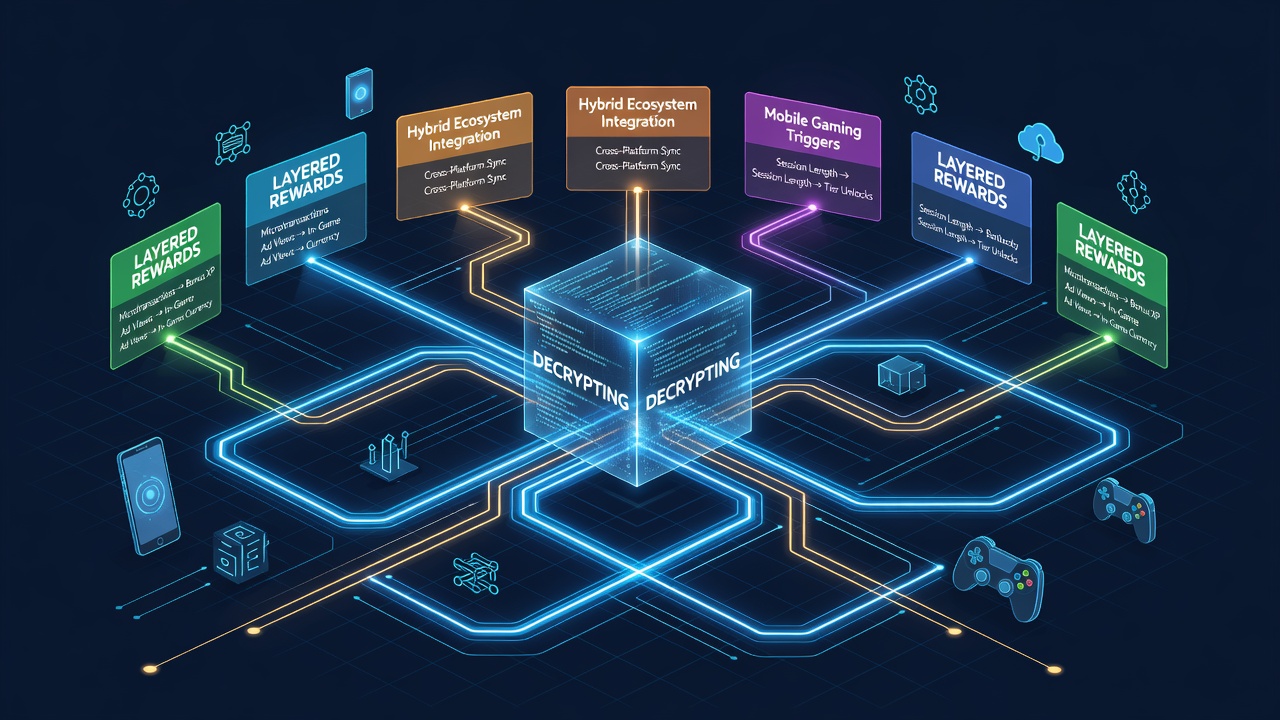
Payment sequences in hybrid mobile gaming ecosystems follow specific routes that activate multi-level rewards when certain conditions align, and these pathways combine encrypted transfers with verification steps before bonuses or VIP points release. Observers note that hybrid setups merge slot mechanics with live table elements on the same app, which means transaction data must route through shared ledgers to confirm eligibility across both game types.
Core Elements of Transaction Routing
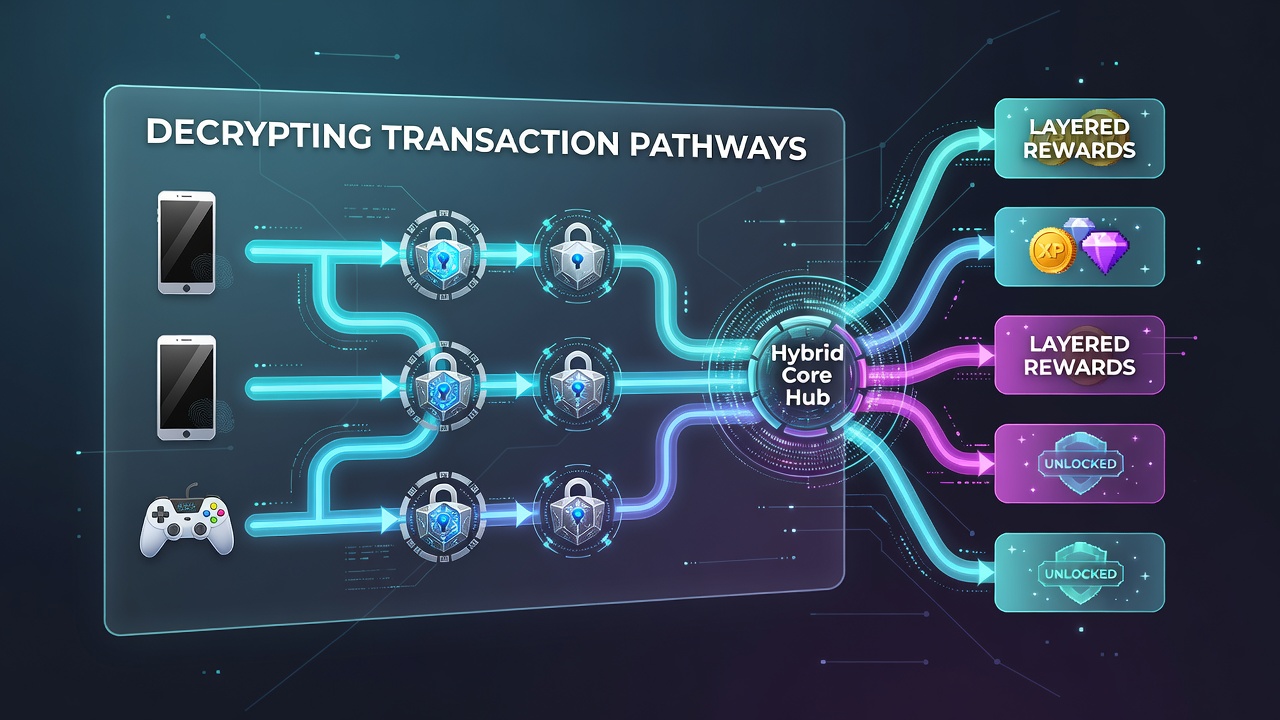
Each deposit or in-app purchase travels along encrypted channels that record timestamps, amounts, and player identifiers, while subsequent triggers depend on cumulative totals reaching predefined thresholds. Data from August 2026 shows these routes often split into parallel streams: one handles immediate spin credits and the other queues loyalty multipliers that stack only after live dealer sessions complete. Researchers have mapped how authentication tokens pass between payment processors and game servers, creating checkpoints where layered rewards unlock in sequence rather than all at once.
Security protocols wrap each step so that a single failed verification halts the entire chain, yet successful passages allow rewards to cascade across multiple tiers. Experts tracking these flows point out that mobile platforms integrate real-time balance updates with backend reward engines, which reduces latency while preserving audit trails required by oversight bodies.
Verification Layers and Reward Activation
Verification occurs at multiple nodes along the pathway, and each node checks different criteria such as deposit frequency, game variety, and geographic compliance flags. When all checks pass, the system releases the first reward layer, typically free spins or cashback credits, then monitors further activity to open the next tier. According to figures released by the Alcohol and Gaming Commission of Ontario, hybrid platforms recorded a 12 percent rise in layered reward redemptions during the first half of 2026, driven by seamless routing between reel and table modules.
Those who study these systems find that cross-border transactions introduce extra routing nodes for currency conversion and tax reporting, which can delay reward triggers by several minutes yet maintain accuracy through synchronized timestamps. The process stays transparent to users through in-app notifications that detail exactly which pathway segment completed and what reward unlocked next.
Integration of Hybrid Game Mechanics
Hybrid titles require transaction data to feed both slot algorithms and live dealer interfaces simultaneously, so the pathway must carry metadata that distinguishes between automated and human-hosted rounds. Rewards tied to live tables often activate only after a minimum number of authenticated hands, which forces the routing system to log session duration alongside monetary values. Observers note that this dual requirement creates branching points where partial progress toward one reward layer continues even if the other pathway pauses.
Industry reports indicate that platforms updated their routing logic in mid-2026 to accommodate faster mobile network speeds, allowing reward triggers to fire within seconds of transaction confirmation. The change reduced abandoned sessions while preserving the layered structure that encourages continued play across both game formats.
Regulatory Influences on Pathway Design
Regulatory frameworks shape how pathways are constructed, since compliance rules dictate what information must travel with each transfer and how long records remain accessible. Alcohol and Gaming Commission of Ontario guidelines require detailed logging of every reward trigger, which in turn influences the depth of encryption applied at each node. Meanwhile, data compiled by the Australian Gambling Research Centre highlights similar patterns in cross-platform hybrids, where transaction pathways must also satisfy responsible gaming limits before layered incentives release.
These rules create standardized checkpoints that all platforms follow, even when their internal architectures differ, and the result is greater consistency in how rewards distribute across user bases. Platforms that adapt routing engines to meet multiple regional standards gain operational flexibility without redesigning core reward logic.
Conclusion
Transaction pathways in hybrid mobile gaming continue to evolve as encryption standards tighten and reward structures grow more intricate, yet the fundamental sequence of verification, routing, and layered release remains consistent. August 2026 data confirms that platforms integrating these flows across slot and live elements achieve higher retention when pathways stay clear and checkpoints operate without friction. Continued mapping of these sequences helps operators and regulators alike maintain secure, transparent systems that deliver incentives predictably across global user networks.