Tracing Encryption Protocols' Influence on Layered Reward Triggers Across Cross-Border Mobile Platforms
Written by Uma Braun · Jun 4, 2026
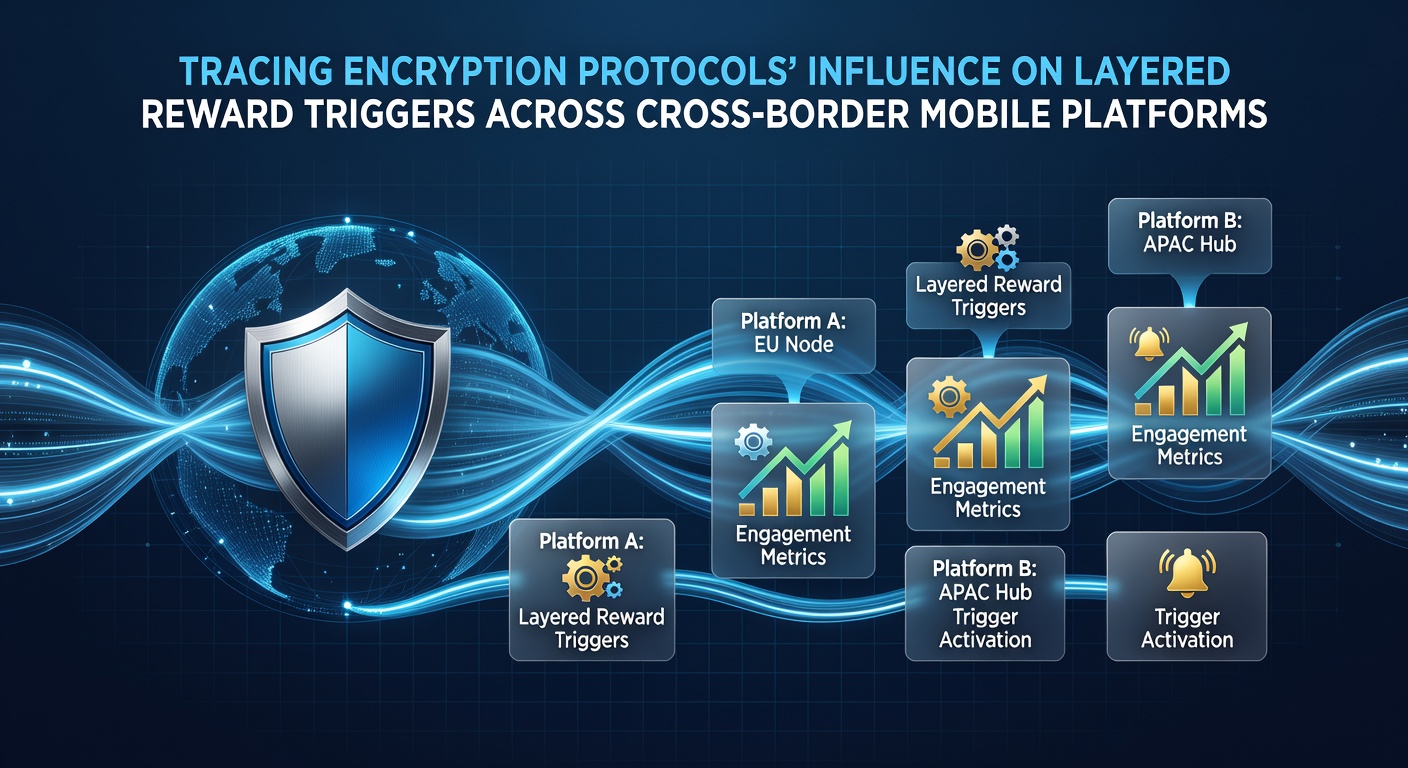
Tracing Encryption Protocols' Influence on Layered Reward Triggers Across Cross-Border Mobile Platforms
Encryption protocols shape how layered reward triggers function in cross-border mobile platforms by securing data flows that activate bonuses, multipliers, and VIP incentives while meeting regulatory requirements in multiple jurisdictions. Platforms operating across regions rely on these protocols to protect user information during transactions that unlock successive reward layers, and data from industry reports shows consistent growth in adoption rates through mid-2026.
Core Encryption Standards in Mobile Gaming Environments
Researchers have documented the deployment of TLS 1.3 and AES-256 encryption as foundational elements that verify user sessions before reward triggers activate, which reduces interception risks during cross-border data exchanges. These standards ensure that authentication signals reach servers intact so platforms can release free spins or deposit matches only after confirming compliance with local rules. Observers note that platforms integrate end-to-end encryption with tokenization methods to separate payment details from reward eligibility checks, allowing real-time processing without exposing sensitive information.
Studies conducted by academic institutions reveal that encryption overhead remains minimal when optimized for mobile networks, yet it directly influences the speed at which layered incentives unlock for users in different countries. For instance, one analysis from a European research consortium found that platforms using quantum-resistant algorithms experienced fewer delays in reward distribution during peak hours in June 2026 compared with those relying on older cipher suites.
Cross-Border Regulatory Interactions with Encryption
Regulatory bodies across regions enforce encryption requirements that affect how mobile platforms structure their reward systems. The European Union Agency for Cybersecurity has published guidelines that require platforms to maintain audit logs of encrypted reward triggers, ensuring transparency for authorities in multiple member states. Similar expectations appear in frameworks from the Australian Communications and Media Authority, where encryption strength determines whether operators can offer progressive multipliers to users crossing state lines.
Platforms must therefore align encryption practices with varying data residency rules, which means reward triggers often involve localized key management servers. This setup allows seamless activation of tiered bonuses while preventing unauthorized access from jurisdictions with stricter privacy statutes. Figures released in early 2026 indicate that operators investing in compliant encryption saw higher retention rates among international users because reward systems operated without interruption from regulatory flags.
Impact on Layered Reward Mechanics
Layered rewards depend on encrypted verification steps that confirm eligibility before each successive benefit activates, such as moving from standard free spins to enhanced multipliers after meeting playthrough thresholds. Encryption protocols embed these checks within secure channels so that cross-border players receive consistent experiences regardless of location. Data indicates that platforms employing hybrid encryption models, combining symmetric and asymmetric methods, achieve faster trigger responses during live gaming sessions.
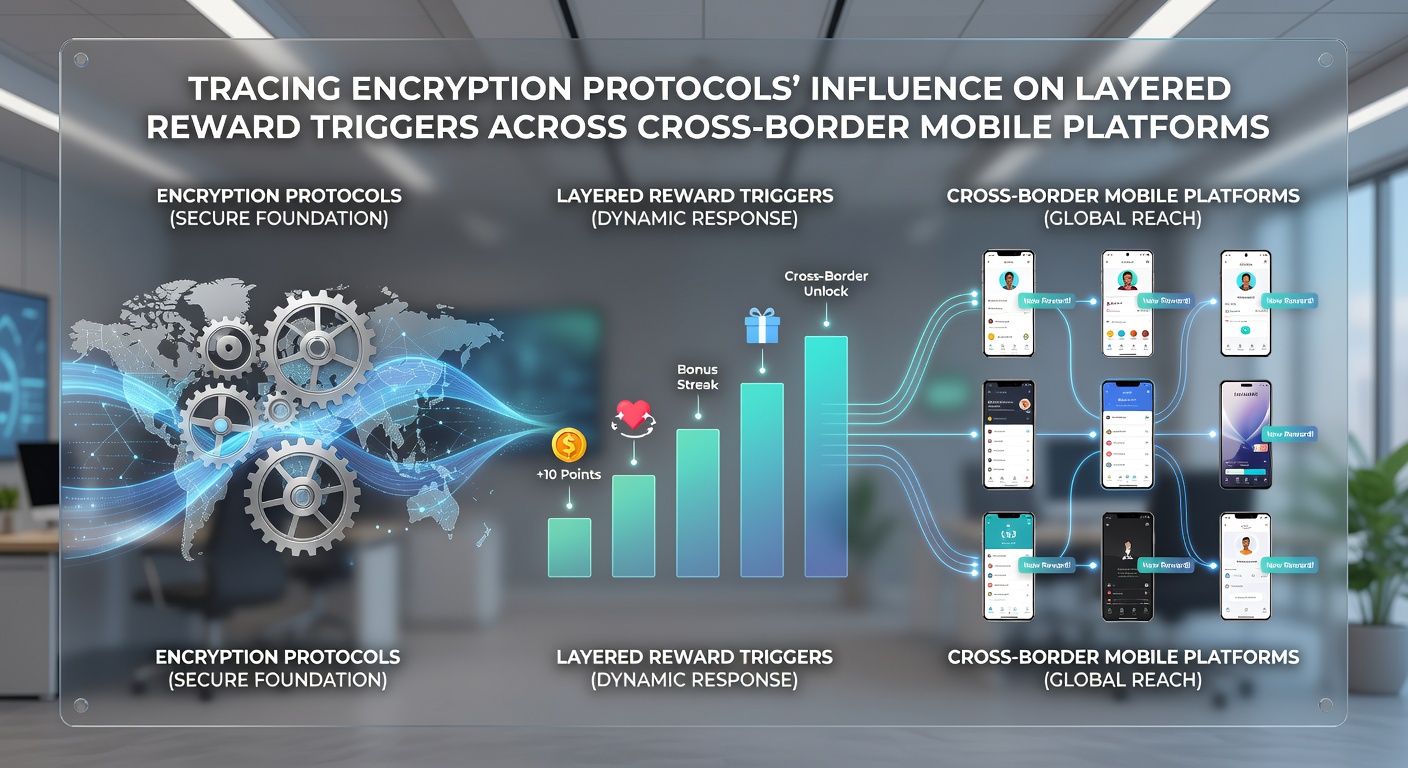
Those who have examined transaction logs report that encrypted reward pathways reduce instances of duplicate claims across borders, since each trigger carries a unique cryptographic signature tied to the user's verified profile. In practice this means a player completing a deposit in one country can immediately access subsequent reward layers upon entering another region, provided the platform maintains synchronized encryption keys. Reports from trade associations highlight that such synchronization became more reliable after updates implemented in the first half of 2026.
Technical Implementation Across Platforms
Developers integrate encryption at multiple points within mobile applications, including during initial login, deposit processing, and reward claim submissions. This layered approach mirrors the structure of the incentives themselves, where each reward tier requires fresh verification before release. Industry data from June 2026 shows that platforms adopting API-level encryption experienced fewer compliance issues when expanding into new markets compared with those using device-only protections.
Token-based systems further enhance security by generating one-time codes that accompany reward triggers, preventing replay attacks that could compromise bonus integrity. Researchers at technical universities have measured reduced latency when these tokens operate alongside established protocols like TLS, confirming that performance gains accompany stronger security postures. Observers note that such integrations support the growing volume of cross-border traffic without sacrificing the sequential nature of layered rewards.
Future Developments and Adoption Trends
Continued refinement of post-quantum encryption methods appears likely to influence how platforms design reward triggers in the coming years, particularly as cross-border operations expand. Current figures reveal steady investment in these technologies among operators focused on mobile-first experiences, with June 2026 marking several pilot programs that tested seamless reward activation under enhanced encryption. Regulatory alignment efforts between regions continue to shape implementation choices, ensuring that layered incentives remain accessible while meeting security mandates.
Conclusion
Encryption protocols serve as critical infrastructure for layered reward triggers in cross-border mobile platforms by enabling secure, verifiable activations that comply with diverse regulations. Evidence from multiple sources confirms that platforms prioritizing these measures maintain operational consistency and user engagement across jurisdictions. Ongoing advancements in encryption standards will likely sustain this influence as mobile gaming ecosystems evolve.