The Interplay Between Regulatory Compliance and Loyalty Tier Advancements in Smartphone-Based Live Gaming Experiences
Written by Jakob Vogel · Aug 22, 2026
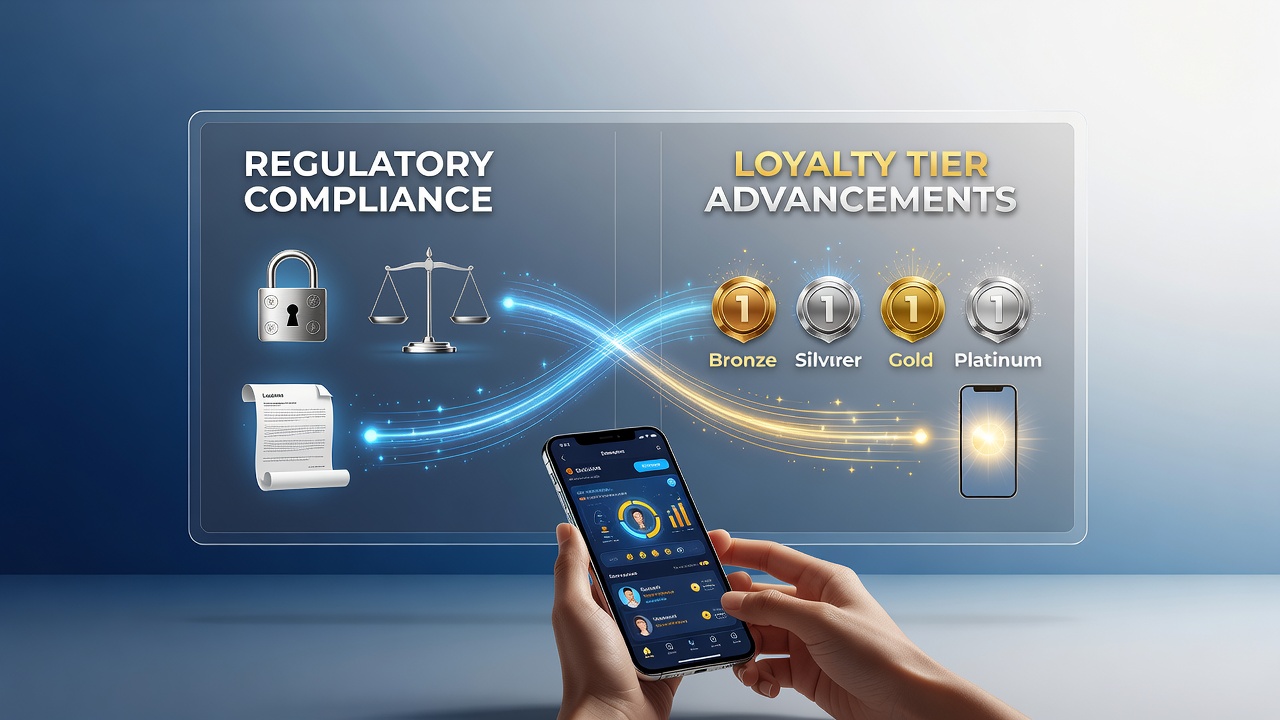
Regulatory Compliance and Loyalty Tier Progression in Mobile Live Gaming Ecosystems
Regulatory bodies across multiple jurisdictions establish strict guidelines that shape how operators structure loyalty programs within smartphone-based live gaming platforms, and these rules directly affect tier advancement mechanics for players engaging in real-time dealer interactions. Compliance requirements such as know-your-customer protocols and anti-money laundering checks determine the pace at which users can accumulate points or unlock higher status levels during mobile sessions. Data from industry reports indicates that platforms must verify user identities before allowing progression into premium tiers that offer enhanced live table access or multiplier rewards. Operators integrate these mandates into their systems so that loyalty tracking aligns with regional laws on responsible gaming and transaction monitoring. In practice this means automated flags pause tier upgrades until documentation clears, creating a layered approval process that runs alongside gameplay on portable devices. Research from the New Jersey Division of Gaming Enforcement highlights how such integrations reduce unauthorized account activity while maintaining engagement in live dealer formats.
Regulatory bodies across multiple jurisdictions establish strict guidelines that shape how operators structure loyalty programs within smartphone-based live gaming platforms, and these rules directly affect tier advancement mechanics for players engaging in real-time dealer interactions. Compliance requirements such as know-your-customer protocols and anti-money laundering checks determine the pace at which users can accumulate points or unlock higher status levels during mobile sessions. Data from industry reports indicates that platforms must verify user identities before allowing progression into premium tiers that offer enhanced live table access or multiplier rewards. Operators integrate these mandates into their systems so that loyalty tracking aligns with regional laws on responsible gaming and transaction monitoring. In practice this means automated flags pause tier upgrades until documentation clears, creating a layered approval process that runs alongside gameplay on portable devices. Research from the New Jersey Division of Gaming Enforcement highlights how such integrations reduce unauthorized account activity while maintaining engagement in live dealer formats.Core Elements of Compliance in Live Mobile Environments
Live gaming on smartphones demands continuous data streams for real-time dealer feeds, and regulatory standards require encryption plus audit trails that extend to loyalty point calculations. These safeguards ensure that tier advancements reflect legitimate play rather than manipulated sessions. Platforms operating in multiple markets adapt their algorithms to satisfy varying thresholds, such as minimum verified deposit volumes before silver or gold status activates. August 2026 figures from the European Gaming and Betting Association revealed a 12 percent increase in compliance-related system updates across mobile operators, with many focusing on loyalty mechanics tied to live roulette and blackjack tables. Such updates often involve dynamic point multipliers that adjust based on player verification status, preventing rapid tier climbs without proper oversight.How Loyalty Structures Adapt to Regulatory Demands
Loyalty tier systems in app-driven live experiences typically feature progressive benefits including priority seat reservations at virtual tables and exclusive bonus rounds, yet regulators impose caps on reward values to curb excessive incentives. This creates a balance where operators design advancement paths that incorporate compliance checkpoints at each level transition. For instance, reaching platinum status might require documented proof of sustained activity over several months rather than single-session spikes. Observers note that these adaptations vary by region, with North American frameworks emphasizing transaction limits while Asian markets focus on cross-border data sharing for tier validation. The result appears in unified mobile dashboards that display both compliance status and current loyalty standing side by side.