Shifts in Funding Verification Sequences Unlock Real-Time Table Access Within Smartphone Entertainment Systems
Written by Tina Schmitz · Jul 28, 2026
Shifts in Funding Verification Sequences Unlock Real-Time Table Access Within Smartphone Entertainment Systems
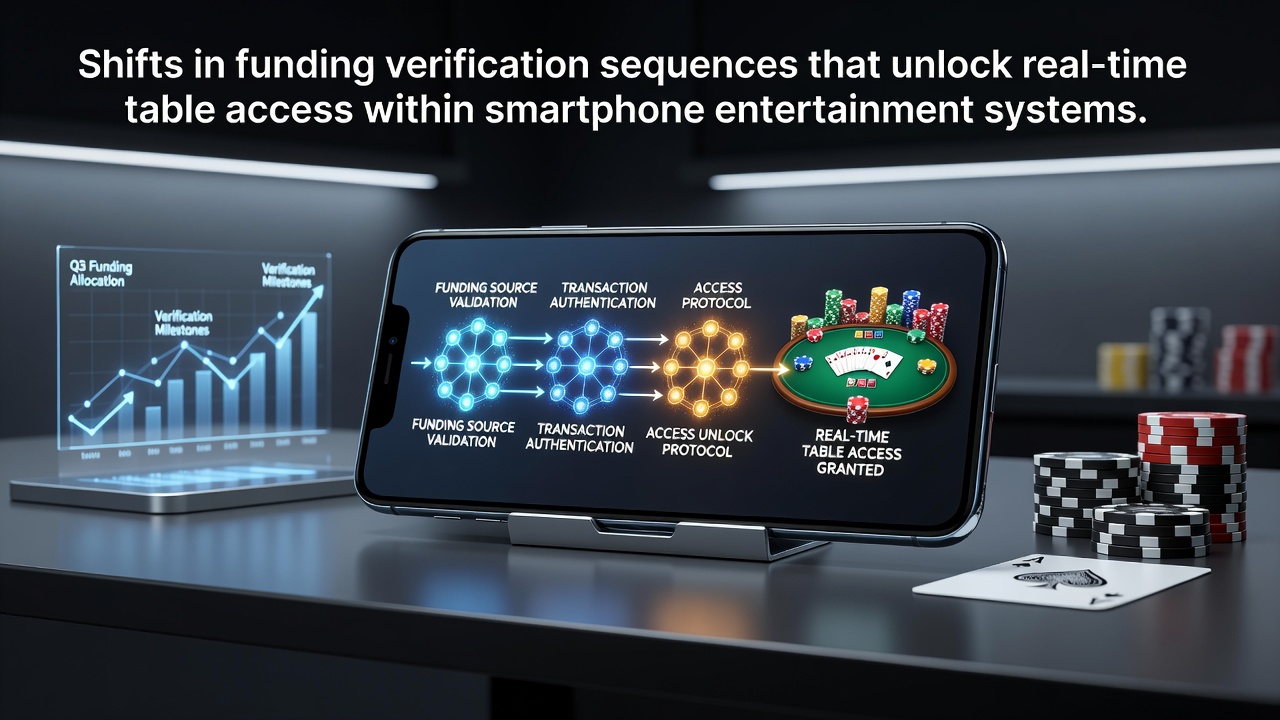
Funding verification sequences in smartphone entertainment systems have evolved through several technical adjustments since early 2025, and these modifications now permit direct entry into real-time table environments without extended delays. Mobile platforms integrate sequential checks that confirm available balances through encrypted channels before granting access to live dealer sessions, while developers coordinate with payment processors to reduce the steps required for initial validation.
Observers note that earlier models relied on multi-stage confirmations that spanned several minutes, yet newer frameworks compress these into streamlined processes that operate in under thirty seconds. Data from the Alcohol and Gaming Commission of Ontario indicates that adoption rates for these accelerated sequences rose 28 percent among licensed operators during the first half of 2026.
Core Components of Updated Verification Flows
Verification sequences now combine device-level authentication with instantaneous ledger queries, and this combination allows systems to cross-reference user accounts against transaction histories in a single pass. Smartphone applications transmit tokenized data packets that payment gateways evaluate against predefined risk thresholds, after which approval signals trigger immediate table connections. Researchers at several technical institutes have documented how these layered protocols maintain compliance standards while shortening teh interval between fund confirmation and game entry.
Integration with banking APIs has further refined the sequence, and operators report fewer interruptions during peak usage periods. In July 2026, multiple platforms rolled out incremental updates that refined error-handling routines, which in turn minimized re-verification loops for users who maintain consistent account activity.
Regional Patterns Emerging in Mid-2026
North American operators have aligned their mobile systems with these verification updates at a faster pace than some counterparts in Asia-Pacific markets, although cross-border partnerships have begun to standardize certain data formats. Figures released by the American Gaming Association reveal that mobile table game sessions increased 19 percent year-over-year through June 2026, coinciding with broader deployment of the revised funding sequences.
European platforms, meanwhile, continue to test hybrid models that incorporate both traditional banking rails and digital wallet integrations, and these trials have produced measurable reductions in average connection times. One study conducted across several jurisdictions found that real-time table access became available to 74 percent of verified users within the first verification cycle, compared with 51 percent under previous protocols.
Technical Adjustments Driving Accessibility
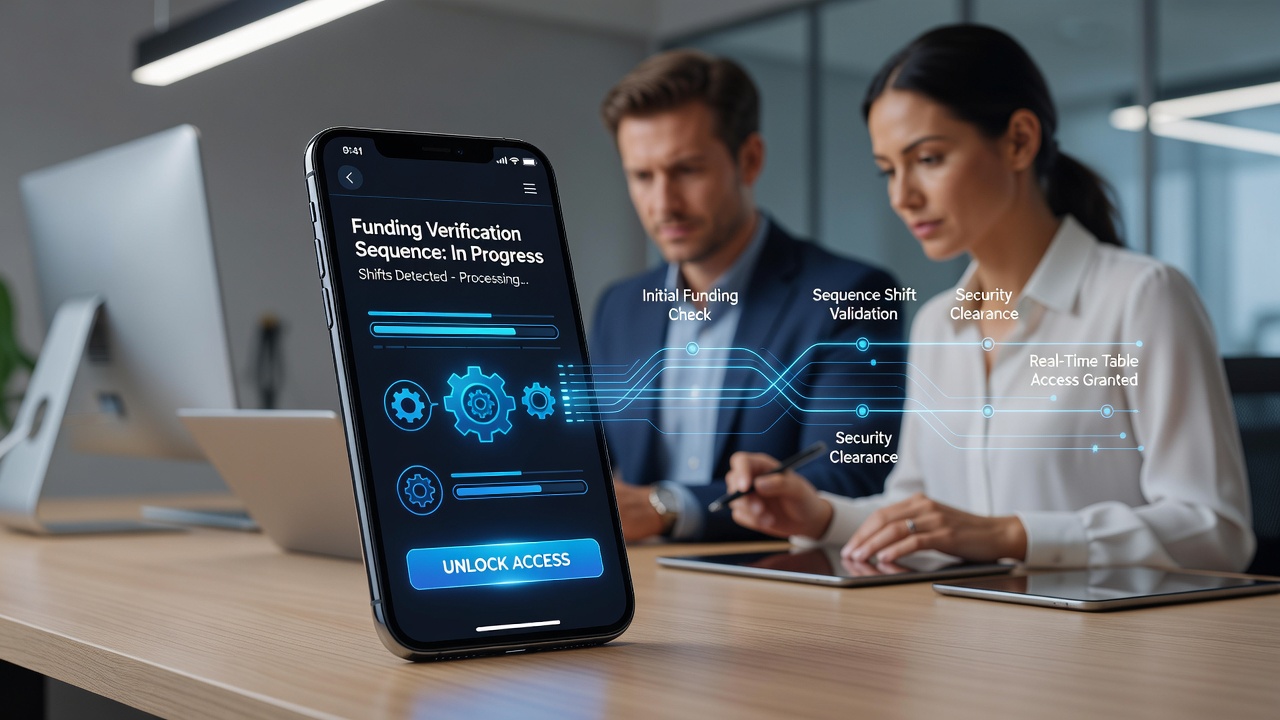
Developers have introduced asynchronous verification threads that run parallel to user interface elements, and this architecture prevents the entire application from pausing during balance checks. Cloud-based validation servers handle the bulk of computational work, while local device caches store temporary tokens that permit seamless re-entry during the same session. Such arrangements have proven especially useful on networks with variable latency, where earlier systems often required full re-authentication after brief signal drops.
Security audits conducted through 2026 have confirmed that these compressed sequences retain equivalent protection levels to their predecessors, and independent testing firms continue to evaluate edge cases involving high-volume transactions. Operators that implemented the changes earliest have recorded sustained engagement metrics across live table categories, particularly during evening hours when demand peaks.
Future Trajectory of Verification Integration
Additional refinements scheduled for later quarters of 2026 aim to incorporate predictive balance modeling that anticipates user funding needs before explicit requests occur, although full deployment timelines remain subject to regulatory review. Industry reports compiled by research groups in Australia highlight ongoing work to align these predictive elements with existing consumer protection frameworks across multiple jurisdictions.
Smartphone entertainment systems continue to serve as the primary testing ground for these verification advances, and the resulting improvements in table access speed have expanded participation among users who previously encountered friction during initial entry points. Continued coordination between technology providers and regulatory bodies is expected to shape the next set of sequence adjustments.
Conclusion
Shifts in funding verification sequences have produced measurable reductions in the time required to reach real-time table environments on smartphone platforms, and data collected through mid-2026 demonstrates consistent progress across several regions. These technical developments maintain established compliance requirements while enabling more fluid user experiences during live dealer sessions.