Safety Protocols Guiding VIP Reward Triggers in Mobile Live Dealer Setups
Written by Uma Braun · Jun 11, 2026
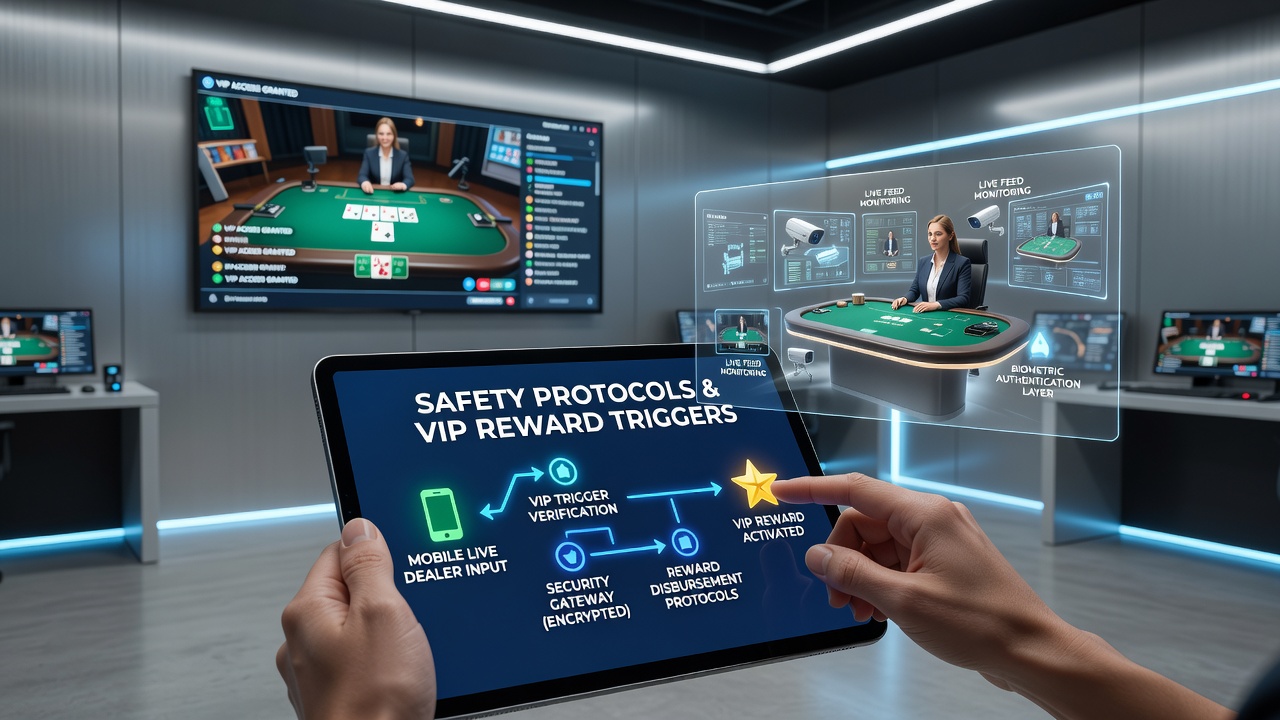
Safety Protocols Guiding VIP Reward Triggers in Mobile Live Dealer Setups
Regulatory bodies across multiple jurisdictions have established detailed frameworks that govern how VIP reward triggers operate within mobile live dealer environments, and these measures focus on authentication layers combined with continuous transaction monitoring to maintain compliance. Data from industry reports indicate that platforms must integrate real-time verification systems before any loyalty-based incentives activate during live table sessions on portable devices.
Regulatory Foundations Shaping Protocol Design
Agencies such as the Nevada Gaming Control Board and the New Jersey Division of Gaming Enforcement require operators to embed compliance checkpoints directly into reward distribution algorithms, which ensures that VIP triggers only engage after identity confirmation and spending thresholds align with documented player histories. Observers note that these standards evolved further in June 2026 when several North American regulators updated their guidelines to address cross-border mobile access patterns that had increased following widespread adoption of 5G networks.
European frameworks administered through bodies like the Malta Gaming Authority similarly mandate geo-location verification alongside encryption standards, which prevents unauthorized reward claims from regions outside licensed territories. Researchers at institutions tracking global gaming trends have documented how these layered requirements reduce discrepancies in incentive payouts by aligning them with verified activity logs that update every few seconds during live dealer interactions.
Technical Safeguards in Mobile Environments
Encryption protocols form the backbone of secure VIP reward mechanisms, where data streams between player devices and live dealer servers undergo AES-256 protection to shield details related to bonus eligibility and account balances. Mobile applications incorporate device fingerprinting techniques that compare hardware signatures against registered profiles, and this process blocks attempts to manipulate trigger conditions through emulator software or altered operating systems.
Session management systems monitor connection stability during live streams, which automatically pauses reward accumulation if latency spikes suggest potential interference or network rerouting. Those who've examined platform architectures find that integration with payment gateways adds another checkpoint, requiring cleared transactions before any multiplier or cashback feature tied to VIP status becomes available in the mobile interface.
Verification Processes Before Reward Activation
Multi-factor authentication routines now combine biometric inputs with one-time codes sent through separate channels, and this combination must succeed each time a player approaches VIP reward thresholds in live dealer mobile sessions. Account activity reviews conducted by automated compliance tools cross-reference game participation records against deposit histories, which flags anomalies that could indicate coordinated efforts to exploit trigger mechanics.
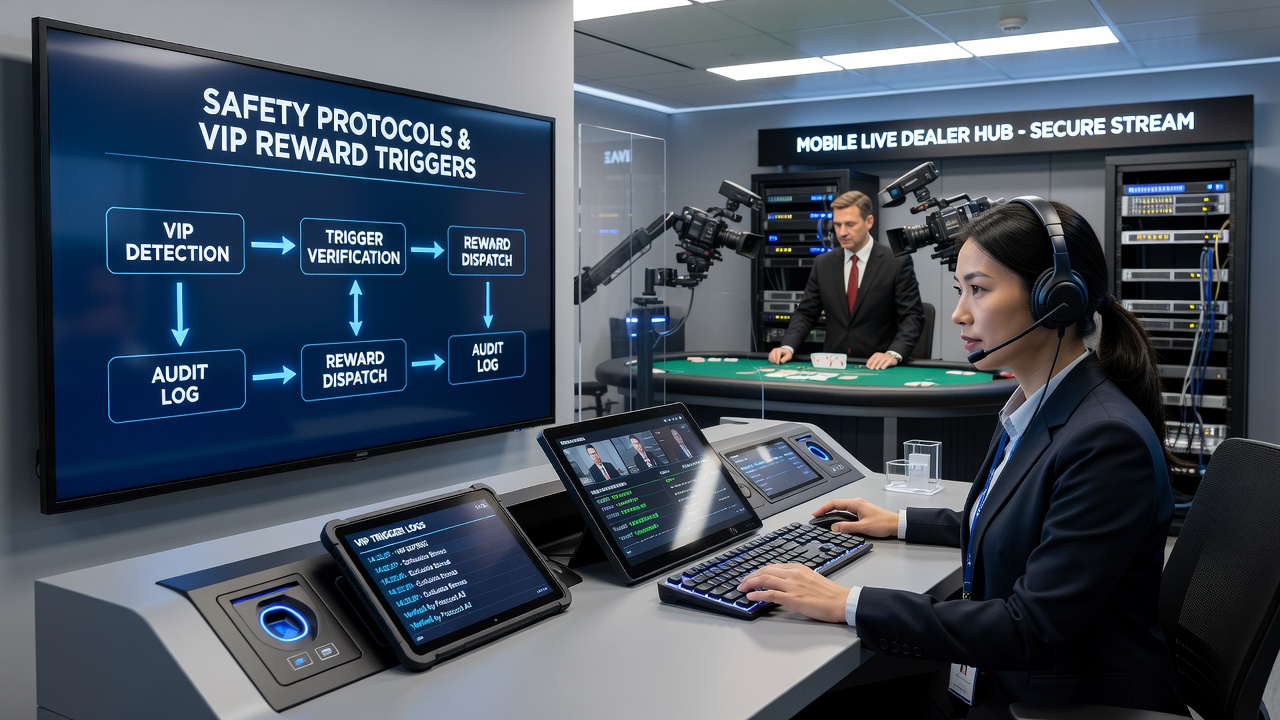
According to statistics published by the American Gaming Association, platforms employing these verification sequences report fewer than 0.2 percent of VIP activations requiring manual intervention after initial rollout in early 2026. Operators must maintain audit trails that capture every decision point leading to reward disbursement, allowing regulators to reconstruct events if disputes arise over mobile-triggered incentives.
Monitoring Systems and Ongoing Compliance Checks
Continuous surveillance platforms track player behavior patterns in real time, comparing session durations and betting volumes against historical baselines established during account onboarding. When deviations occur that might affect VIP reward eligibility, systems issue alerts to compliance teams who then determine whether additional documentation is needed before proceeding with incentive delivery.
Industry organizations including the Canadian Gaming Association have highlighted how machine learning models assist in distinguishing legitimate high-volume play from coordinated schemes that attempt to force reward triggers through repeated small deposits across multiple devices. These models update monthly based on aggregated data from licensed operators, which helps refine detection thresholds without interrupting normal mobile live dealer experiences.
What's interesting here involves the role of responsible gaming modules that integrate directly with VIP systems, automatically applying spending limits or cooling periods when patterns suggest elevated risk levels. Such integrations ensure that reward triggers remain inactive until players demonstrate sustained compliance with self-imposed boundaries documented in their profiles.
Conclusion
Protocols guiding VIP reward triggers in mobile live dealer setups continue to evolve through collaboration between regulators, technology providers, and platform operators who prioritize verifiable security at every stage of incentive distribution. Figures released in mid-2026 show consistent declines in disputed reward claims across markets that adopted unified verification standards, demonstrating how these measures support stable operations while meeting diverse jurisdictional demands. Those monitoring developments in portable gaming note that ongoing refinements to encryption and monitoring tools will likely shape future iterations of these safety frameworks as mobile adoption expands further into live dealer formats.