Regulatory Compliance Shaping Incentive Structures in Handheld Gaming Ecosystems
Written by Jakob Vogel · Aug 25, 2026
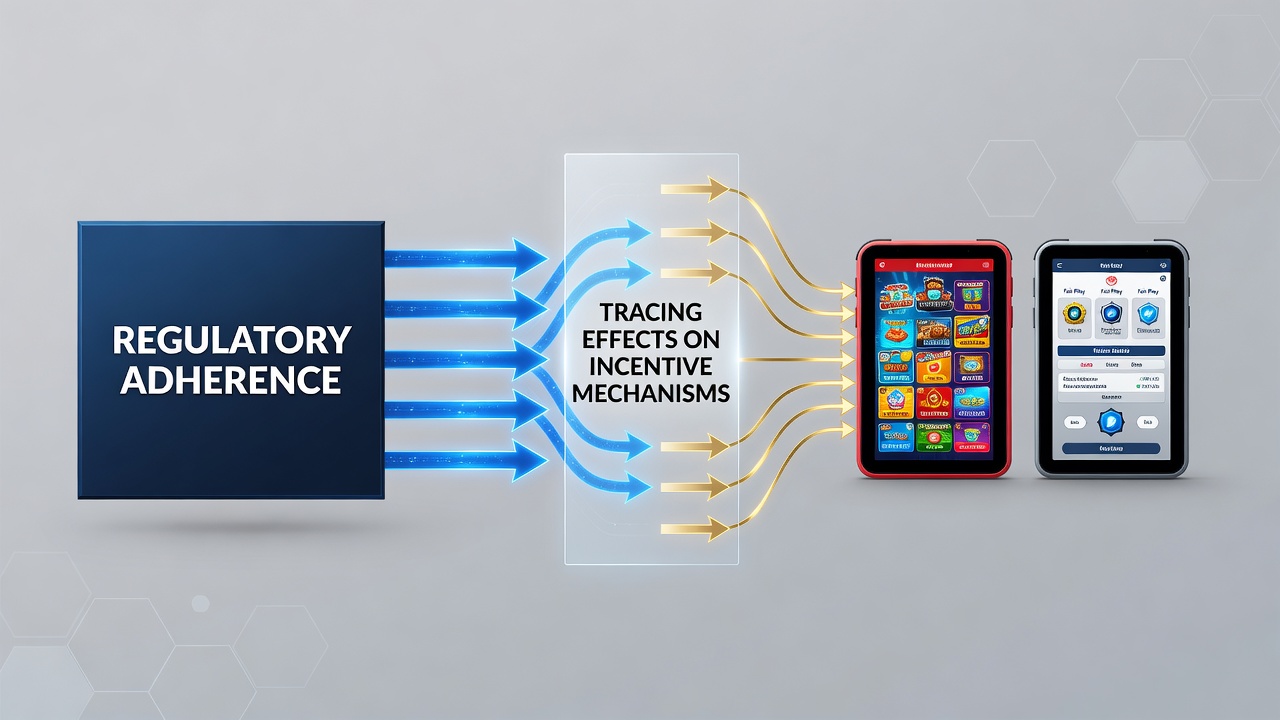
Regulatory Compliance Shaping Incentive Structures in Handheld Gaming Ecosystems
Regulatory frameworks across multiple jurisdictions continue to guide how handheld gaming platforms structure their incentive mechanisms, with compliance requirements directly influencing bonus distribution, verification processes, and reward eligibility criteria. Data from industry monitoring groups shows that operators must align promotional systems with standards for player protection, financial transparency, and anti-money laundering protocols, which in turn affects how incentives such as deposit matches, free play credits, and loyalty multipliers become available to users.
Verification Protocols and Access to Layered Rewards
Age verification and identity confirmation steps mandated by regulators determine the timeline and scope of incentive activation on mobile devices, since platforms cannot release certain rewards until accounts meet documented criteria set by licensing authorities. Studies from research institutions indicate that stricter authentication layers often delay bonus triggers by 24 to 72 hours, which leads developers to redesign onboarding flows so that eligible players receive immediate access to base incentives while higher-tier rewards remain gated behind completed compliance checks.
Operators have adjusted their systems accordingly, with many implementing automated flags that pause reward processing until regulatory thresholds receive confirmation. This approach maintains adherence while preserving user engagement through partial incentive releases that comply with regional rules.
Regional Policy Shifts Observed in Mid-2026
Updates rolled out in August 2026 by several North American and Asian regulatory bodies introduced new reporting obligations for mobile incentive programs, requiring platforms to log every reward issuance against player activity metrics. These changes prompted handheld gaming providers to refine their algorithms so that loyalty points and multiplier bonuses align with documented play patterns rather than automatic triggers. According to figures from the Alcohol and Gaming Commission of Ontario, platforms that adapted quickly saw fewer compliance notices compared to those maintaining legacy distribution methods.
Encryption Standards and Reward Trigger Mechanics
Secure data transmission requirements tied to regulatory adherence influence how platforms process real-time incentive events during live table sessions or reel spins on portable devices. Encryption protocols ensure that transaction records linked to bonus claims remain protected, which affects the speed at which layered multipliers activate after qualifying bets. Research from academic centers examining cross-border mobile operations notes that platforms using certified encryption modules report smoother reward distributions because regulators accept their audit trails more readily.
Those systems that fall short face temporary holds on promotional features until security validations complete, creating operational pauses that operators now factor into their development schedules.
Impact on Loyalty and VIP Program Designs
Loyalty structures within handheld platforms have evolved under regulatory pressure to incorporate spending caps and activity thresholds that prevent excessive incentive accumulation. Government agencies in Australia and Canada have documented cases where platforms revised VIP reward schedules to include mandatory cooling-off periods between high-value bonus claims, ensuring that compliance remains intact across user segments. These adjustments appear in the form of tiered eligibility that ties reward size directly to verified play volume rather than deposit frequency alone.
Industry reports further reveal that platforms integrating these controls experience steadier retention rates because users perceive the incentives as sustainable and rule-compliant rather than subject to sudden regulatory interventions.
Future Monitoring and Platform Adaptations
Continued oversight from licensing bodies means handheld gaming operators will keep refining incentive mechanisms to match evolving standards on data privacy, financial reporting, and responsible play notifications. Platforms that embed compliance checkpoints into their core reward engines reduce the risk of penalties while maintaining competitive promotional offerings that appeal to verified users across different regions.
Conclusion
Regulatory adherence continues to serve as a foundational element that reshapes how incentives function within handheld gaming environments, driving changes in verification timing, encryption usage, loyalty structures, and reward eligibility. Platforms that integrate these requirements into their operational designs demonstrate measurable differences in compliance outcomes and user access patterns compared to those that treat regulations as separate add-ons. As standards advance, the connection between policy and incentive mechanics remains a central factor in platform development and regional licensing processes.