Payment Protocol Effects on Tiered Reward Access in Smartphone Casino Ecosystems
Written by Tina Schmitz · Jun 30, 2026
Payment Protocol Effects on Tiered Reward Access in Smartphone Casino Ecosystems
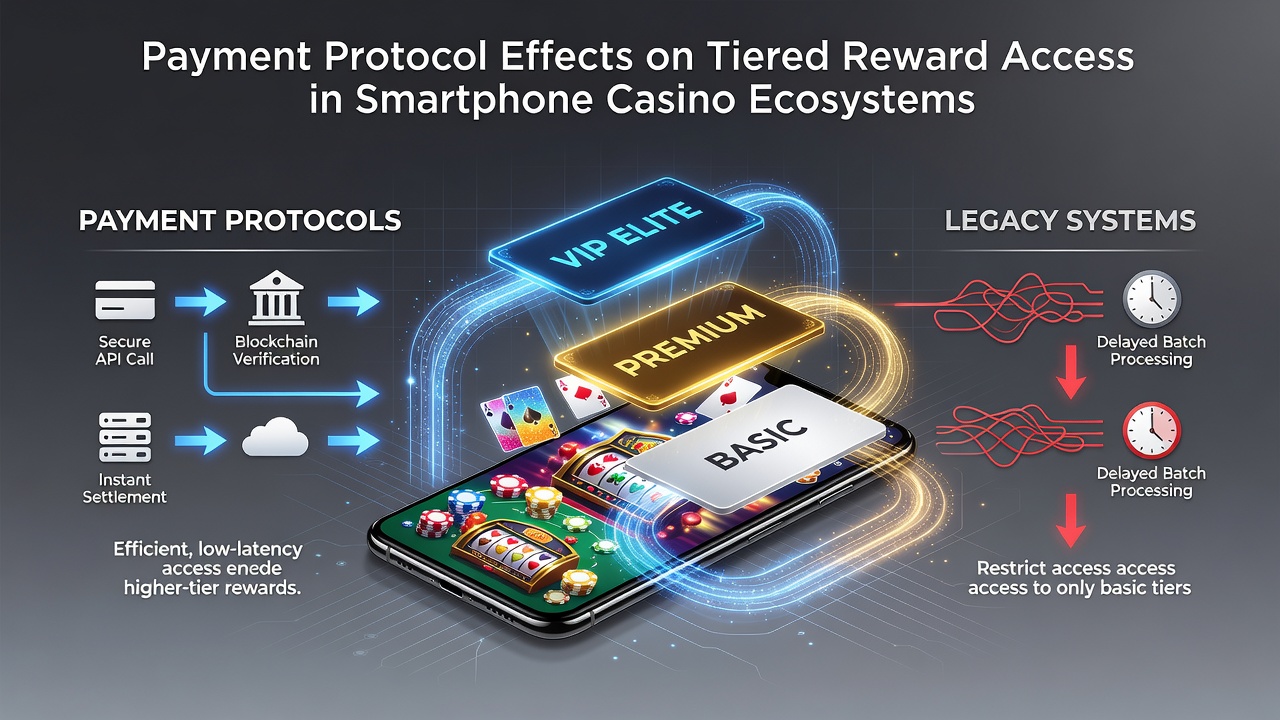
Payment protocols shape how smartphone casino users gain entry to different reward tiers, and recent patterns show clear connections between transaction methods and access levels. Observers note that faster settlement times often align with higher tier unlocks while slower or flagged processes keep players in entry-level categories for extended periods. Data from industry reports released in early 2026 indicate that protocol choice influences verification speed, which in turn determines when users receive bonus multipliers or exclusive table access.
Traditional card-based systems still dominate many platforms yet newer options such as digital wallets and instant bank transfers create measurable differences in reward progression. Researchers tracking user behavior across multiple apps found that accounts using real-time protocols reached mid-tier status weeks ahead of those relying on batch-processed methods. This gap appears because automated compliance checks complete quicker when the underlying protocol provides immediate confirmation data.
Protocol Types and Their Direct Influence on Tier Progression
Blockchain-based transfers produce the most consistent acceleration toward premium rewards because transaction ledgers update in near real time and supply immutable records for regulatory review. In contrast, older ACH systems introduce delays that cascade through verification queues and push users further down the priority list for tier advancement. Figures released by the New Jersey Division of Gaming Enforcement in June 2026 revealed a 27 percent faster average progression rate for accounts employing instant protocols compared with conventional bank wires.
Observers tracking cross-border play note additional layers when currency conversion protocols enter the equation. Platforms apply stricter scrutiny to certain international methods, which lengthens the time before reward triggers activate. One study conducted across Southeast Asian and North American servers showed that localized digital payment rails reduced verification holds by half, allowing quicker movement into VIP brackets that unlock higher free-spin allocations and cashback percentages.
Verification Gates and Reward Layering Mechanics
Tiered systems rely on cumulative spend thresholds combined with account age and transaction history, yet the payment protocol determines how quickly those thresholds register in the backend. When protocols embed fraud-detection signals directly into the transfer, platforms can approve higher reward tiers without manual review. This integration matters because many operators tie daily withdrawal limits and live-dealer access to the same verification score generated during deposits.
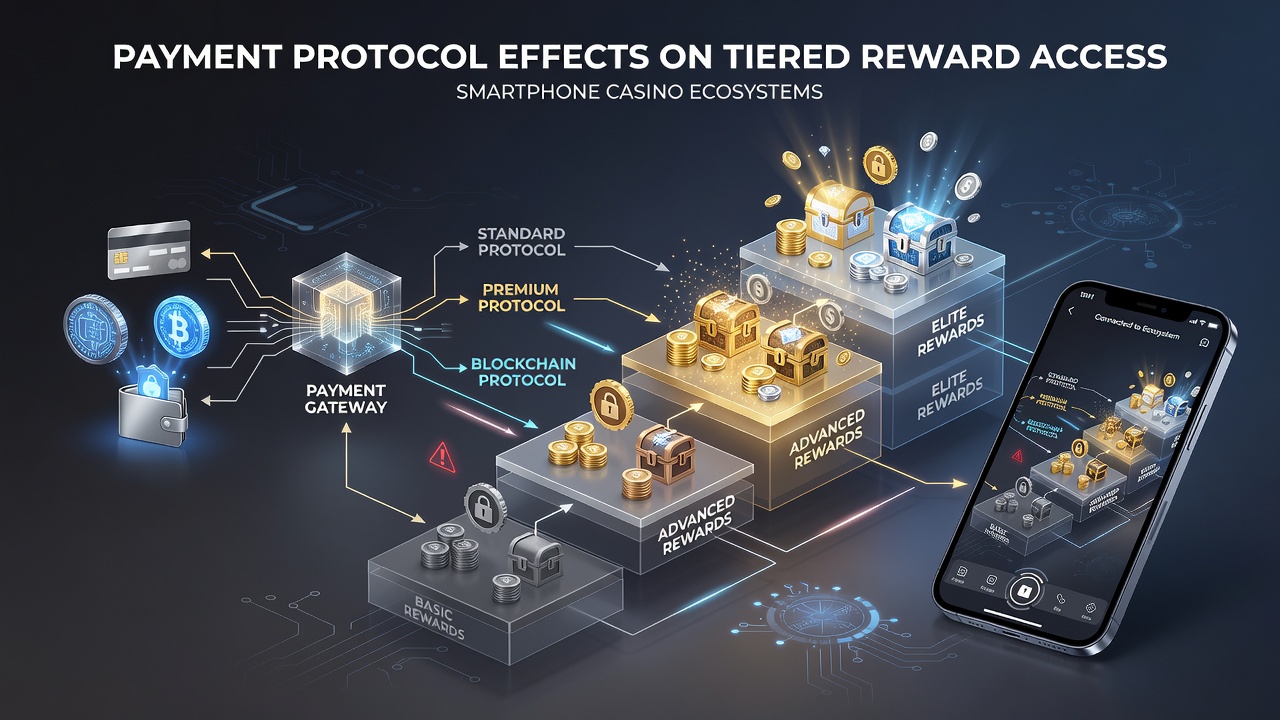
People who switch protocols mid-session sometimes experience sudden tier jumps once the new method clears faster checks. Operators maintain separate risk profiles for each protocol category, and those profiles feed directly into the algorithms that assign reward multipliers. Data collected through June 2026 confirms that e-wallet users in regulated markets cleared the second-tier threshold an average of 11 days sooner than credit-card users on the same platforms.
Regional Regulatory Variations Affecting Protocol Impact
Regulatory bodies apply distinct rules that amplify or dampen protocol effects on reward access. The Alcohol and Gaming Commission of Ontario requires enhanced due diligence for certain wallet types, which can offset the speed advantage those protocols normally provide. Meanwhile, Australian state regulators have streamlined reporting for approved instant-bank options, producing shorter hold periods before tier benefits activate. These differences create uneven landscapes where the same payment method yields divergent reward timelines depending on jurisdiction.
Industry associations such as the American Gaming Association publish quarterly comparisons that highlight how protocol standardization efforts influence reward distribution equity. Their June 2026 brief noted that platforms adopting unified protocol standards saw fewer complaints about delayed tier upgrades, suggesting operational consistency benefits both operators and users.
Future Protocol Developments and Ongoing Tier Adjustments
Emerging protocols incorporating biometric confirmation at the payment layer continue to reduce friction between deposit and reward activation. Early adopters among major operators report that integrated biometric checks cut manual review rates by 40 percent, allowing more accounts to advance through tiers without interruption. Researchers continue monitoring whether these gains persist as adoption scales across additional regions.
Platform updates scheduled for late 2026 aim to link protocol performance metrics directly to dynamic tier formulas, which would further personalize reward access based on individual transaction reliability. Such changes remain under testing yet indicate continued evolution in how payment methods govern progression through smartphone casino ecosystems.
Conclusion
Payment protocol selection continues to function as a primary gatekeeper for tiered reward access across smartphone casino environments. Faster, more transparent methods consistently correlate with quicker advancement while slower or heavily scrutinized options extend the time users spend at lower levels. Regulatory frameworks and operator risk models both reinforce these patterns, and ongoing technical refinements suggest the relationship between protocols and rewards will grow more direct in coming months.