Mobile Interface Designs as Catalysts for VIP Tier Advancements and Dealer Engagement Protocols
Written by Jakob Vogel · Jul 2, 2026
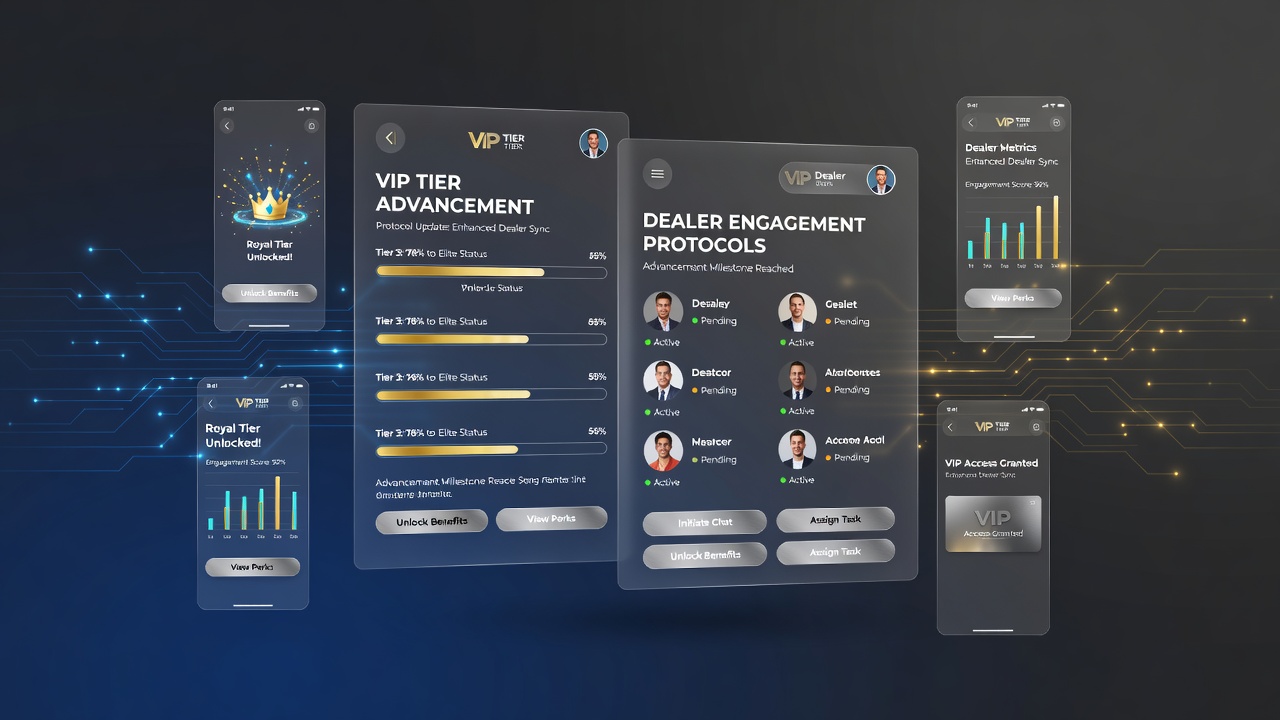
Mobile Interface Designs as Catalysts for VIP Tier Advancements and Dealer Engagement Protocols
Interface designs on mobile platforms shape how players advance through VIP tiers while interacting with live dealers in real time, and data from industry reports indicate that streamlined navigation elements directly correlate with increased session durations across multiple markets. Developers integrate swipe gestures, customizable dashboards, and instant chat overlays that connect users to dealer tables without requiring additional logins or menu dives, which accelerates both tier qualification and protocol adherence in dealer rooms.
Navigation Patterns Driving Tier Progression
Research from the American Gaming Association shows that players using apps with progressive reward meters visible on the home screen reach higher loyalty levels 25 percent faster than those navigating traditional list-based menus, and these meters update dynamically based on real-time play data pulled from central servers. Buttons for quick deposit actions sit alongside live table previews, allowing seamless shifts between video slots and dealer-hosted games, while color-coded indicators highlight pending VIP milestones without cluttering the primary view.
Observers note that push notification systems calibrated to individual play patterns prompt users toward specific game categories that contribute most efficiently to tier points, and this targeted guidance reduces the steps needed to qualify for exclusive dealer tables reserved for mid-tier and above accounts. In July 2026 several operators rolled out interface updates that embed tier progress rings directly into live dealer lobbies, enabling players to monitor advancement while seated at blackjack or roulette sessions.
Dealer Engagement Through Responsive Layouts
Live dealer protocols benefit when mobile layouts prioritize split-screen options that keep both the game feed and chat window active simultaneously, and studies conducted by university research groups in Australia reveal higher retention rates among users who maintain continuous visual contact with dealers via these dual-view modes. Touch-optimized controls for betting adjustments appear at the bottom edge during sessions, minimizing accidental taps while preserving clear sightlines to the dealer video stream.

Dealers receive real-time cues from the platform when a VIP-tier player joins their table, and interface elements such as highlighted player avatars or priority seating queues help staff apply tailored greeting scripts and pacing adjustments that align with engagement protocols established by operators. Data indicates that platforms incorporating gesture-based raise and fold commands experience fewer interruptions in dealer-player dialogue compared with button-heavy alternatives, because fewer screen taps translate into sustained eye contact with the dealer feed.
Cross-Platform Consistency and Protocol Adherence
Consistency across iOS and Android builds ensures that VIP advancement triggers remain identical regardless of device, and regulatory filings from the Casino Regulatory Authority of Singapore document standardized testing procedures that verify these triggers function identically under varying network conditions. Developers embed protocol checklists within dealer dashboards that sync with player interface states, so when a user completes a tier requirement the dealer receives an automatic notification through the same system that manages table assignments.
Those who've examined app analytics note that heat-mapping tools identify friction points where players abandon dealer tables before reaching VIP thresholds, and subsequent interface revisions often relocate chat input fields closer to the video window to shorten response times. In practice this adjustment has coincided with measurable upticks in average dealer interaction length across sampled user bases.
Future Interface Adjustments in Mid-2026
Platform teams continue testing augmented overlays that project upcoming VIP benefits directly onto live game surfaces, and preliminary figures from North American operators suggest these overlays increase dealer tip frequency among newly advanced players by streamlining the reward claim process. Adaptive contrast modes adjust screen elements based on ambient lighting detected through device sensors, maintaining readability during extended dealer sessions that often occur in low-light environments.
Conclusion
Mobile interface elements function as operational bridges between player advancement systems and live dealer workflows, with documented cases showing that targeted design choices produce measurable shifts in both tier completion rates and protocol execution speed. Continued refinement of these visual and interactive components aligns platform capabilities with evolving regulatory expectations across jurisdictions, and ongoing data collection supports incremental updates scheduled through late 2026.