How Regional Banking Rules Transform Progressive Jackpot Pools in Mobile Cross-Border Gaming
Written by Dana Vogel · Aug 22, 2026
How Regional Banking Rules Transform Progressive Jackpot Pools in Mobile Cross-Border Gaming
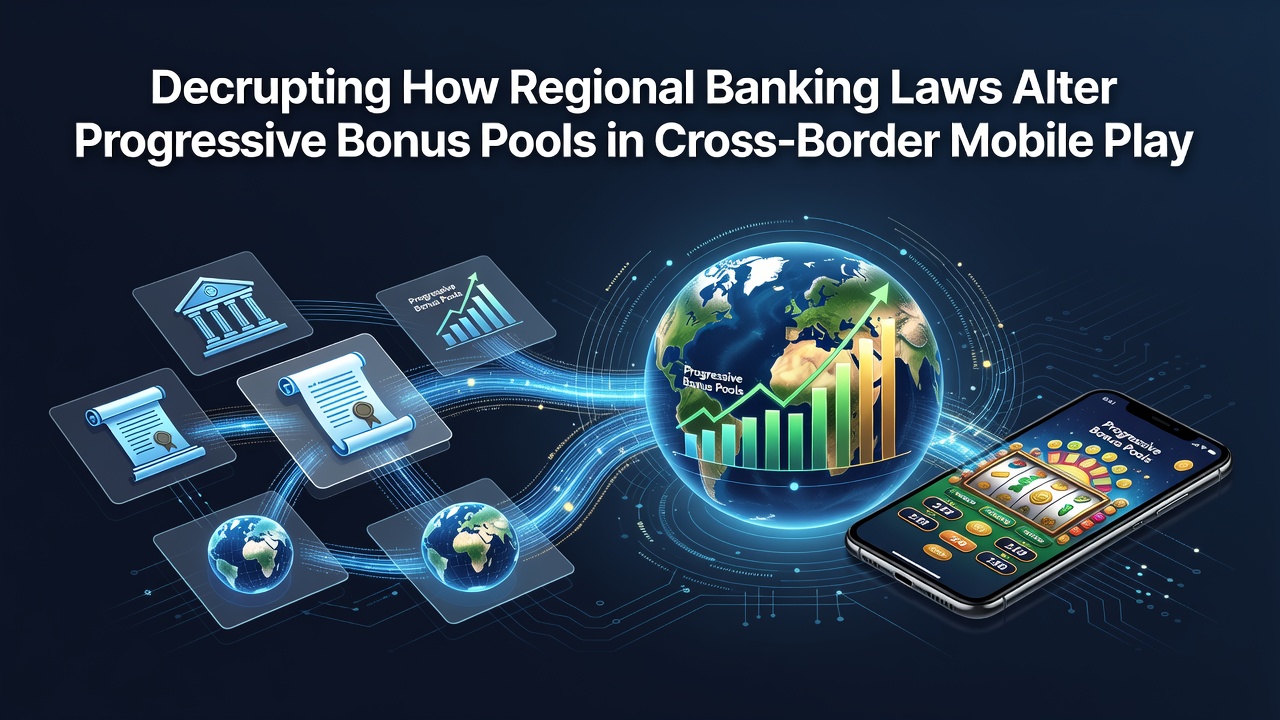
Data from multiple jurisdictions shows that banking regulations directly influence how operators accumulate and distribute progressive bonus pools across mobile platforms that operate in more than one country, and these effects have grown more pronounced as cross-border play expanded through 2026.
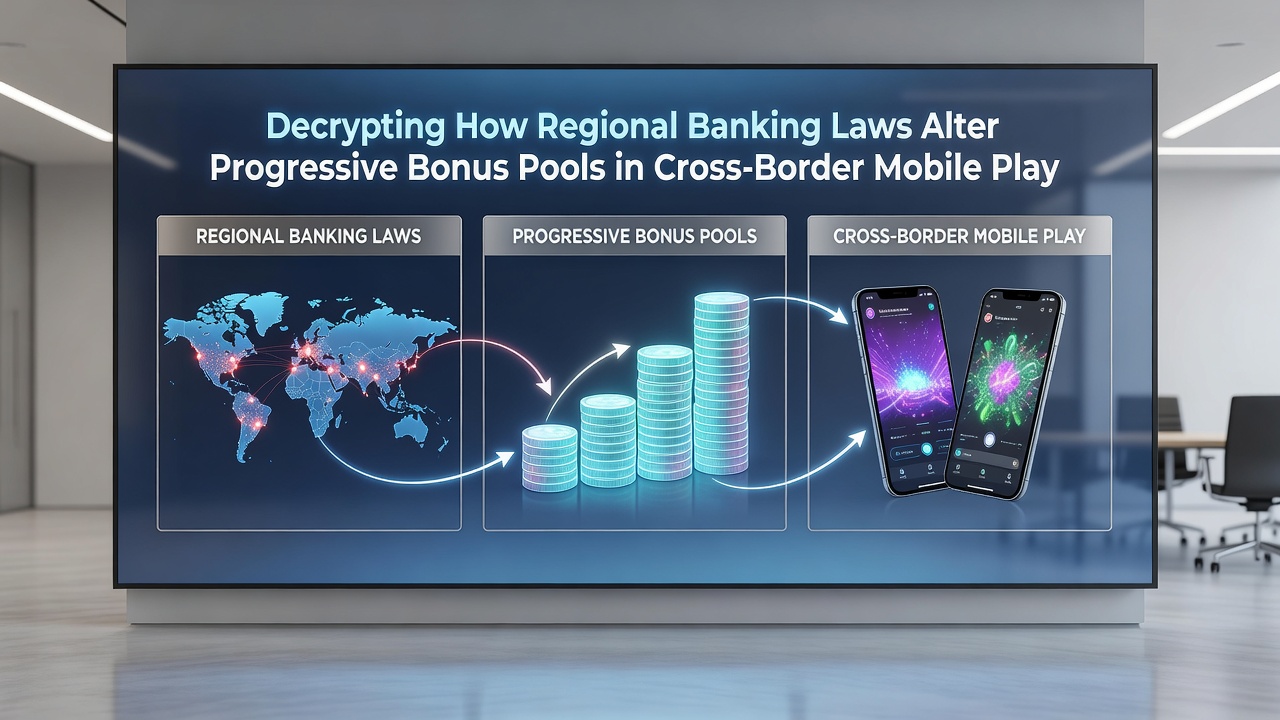
Progressive pools rely on continuous contributions from players in various regions, yet banking statutes in each territory impose distinct rules on fund movement, currency conversion, and anti-money laundering checks that can slow or redirect those contributions before they reach the shared meter.
Core Mechanics of Progressive Pools in Mobile Environments
Operators build progressive bonus pools by taking a small percentage from each qualifying wager on connected games, and mobile platforms allow these contributions to flow from smartphones and tablets regardless of the player's physical location, provided licensing agreements permit the connection.
When banking laws restrict the speed or volume of international transfers, however, the rate at which the pool grows can differ sharply between regions, creating uneven accumulation that affects payout timing and player expectations in real time.
United States State-Level Banking Constraints
Several U.S. states maintain separate banking guidelines for gambling transactions that require operators to route funds through licensed financial institutions within state borders before they can join an interstate or international progressive pool, and these steps add processing layers that reduce the daily contribution rate from American players.
Research from the American Gaming Association indicates that states with stricter intrastate settlement rules saw a measurable drop in cross-border pool growth during the first half of 2026, particularly for mobile titles that combine reel and table game contributions into single meters.
European Payment Service Directives and Pool Funding
Within the European Union, payment service directives limit the types of gambling-related transfers that can cross member-state lines without enhanced verification, which forces operators to segment progressive contributions by country until compliance checks clear.
This segmentation produces temporary sub-pools that later merge into the main meter, yet the delay alters the visible growth rate that mobile users see on their screens and can shift player migration patterns toward jurisdictions with faster approval processes.
Asia-Pacific Currency and Transfer Controls
Countries across the Asia-Pacific region apply varying capital controls that cap the amount of funds leaving domestic banking systems for foreign gambling operators each month, and these caps directly cap the size of progressive contributions from those markets.
Figures released by the Australian Institute of Criminology reveal that jurisdictions with monthly transfer ceilings experienced slower pool expansion in mobile cross-border titles compared with markets that allow unrestricted gambling-related outflows, forcing operators to adjust contribution percentages or exclude certain regions from shared meters altogether.
Impact on Mobile User Experience and Payout Timing
Players accessing the same progressive title from different countries often notice divergent meter speeds because local banking rules determine how quickly each wager reaches the central pool, and these differences become especially visible during high-volume periods such as major sporting events in August 2026.
Operators respond by publishing region-specific meter displays or by creating mirrored pools that synchronize at set intervals, yet the underlying banking friction remains the primary driver of any visible disparity.
Compliance Costs and Pool Allocation Adjustments
Meeting divergent banking requirements raises operational costs for operators, and those expenses frequently translate into reduced percentages allocated to progressive pools or into higher minimum wager thresholds for mobile users in heavily regulated markets.
Industry reports compiled by the European Gaming and Betting Association document that operators serving multiple continents have begun weighting contribution rates according to the banking compliance burden of each jurisdiction, effectively redistributing pool growth toward regions with lighter transfer restrictions.
Conclusion
Regional banking laws continue to reshape the accumulation and distribution of progressive bonus pools in cross-border mobile gaming by imposing transfer limits, verification delays, and allocation adjustments that vary by jurisdiction, and data collected through mid-2026 confirms these effects remain consistent across U.S., European, and Asia-Pacific markets. Operators adapt through segmented accounting and mirrored meters while regulatory bodies maintain oversight of fund flows, ensuring that the visible growth of shared jackpots reflects the combined influence of local banking statutes rather than uniform global mechanics.