How Loyalty Structures Influence Game Selection Patterns in Verified Mobile Platforms
Written by Jakob Schmitt · May 16, 2026
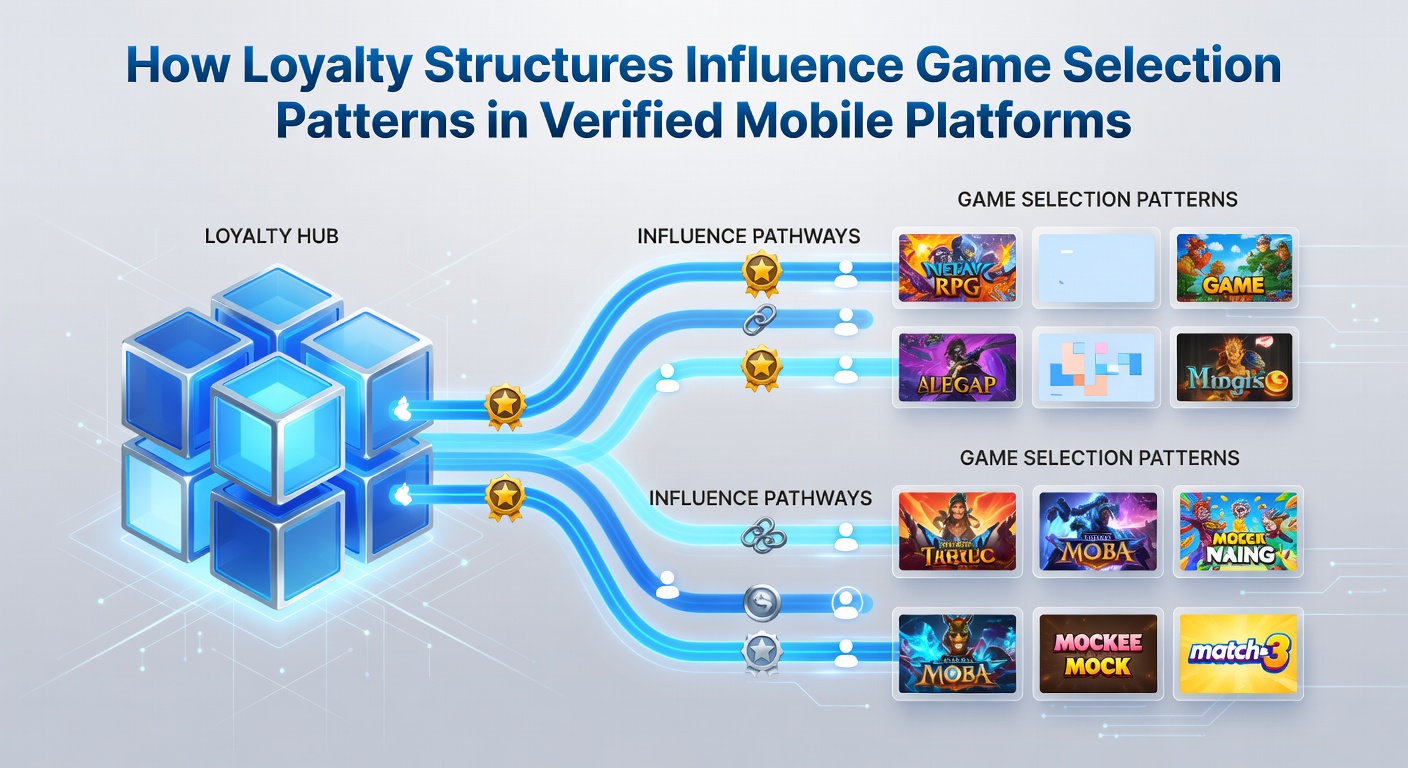
How Loyalty Structures Influence Game Selection Patterns in Verified Mobile Platforms
Verified mobile platforms have integrated loyalty structures that directly shape which games players choose, and data from industry reports released in May 2026 shows these programs steer selections toward specific categories like slots and live dealer experiences over others. Players earn points through consistent play, yet the redemption options and tier benefits create clear patterns where certain titles receive more engagement because they align with reward multipliers and bonus triggers.
Loyalty Program Mechanics and Player Behavior
Most verified apps use tiered systems where initial levels grant basic rewards while higher tiers unlock accelerated point accumulation and exclusive game access, and research from the American Gaming Association indicates these mechanics increase session lengths on promoted titles by up to 35 percent in early 2026. Players often start with popular slot machines because daily login bonuses and spin multipliers accumulate faster there, whereas table games may offer steadier but slower progress toward status upgrades. The design encourages repeated spins on high-volatility options that deliver quick point bursts, creating a feedback loop where selection favors games already embedded in the loyalty interface.
Data Patterns Emerging in Mid-2026
Figures compiled through April and released publicly in May 2026 reveal that mobile users on verified platforms select loyalty-linked slot games 48 percent more often than non-rewarded alternatives, while live dealer tables see moderate lifts when cashback applies directly to bets. Observers note that free spin rewards tied to specific providers push traffic toward branded content, and this holds true across regions where regulatory oversight requires transparent point valuation. One study from the University of Nevada gaming research group tracked thousands of accounts and found that players who reached gold tier status shifted 62 percent of their playtime to games offering tier progression bonuses rather than exploring new releases without incentives.
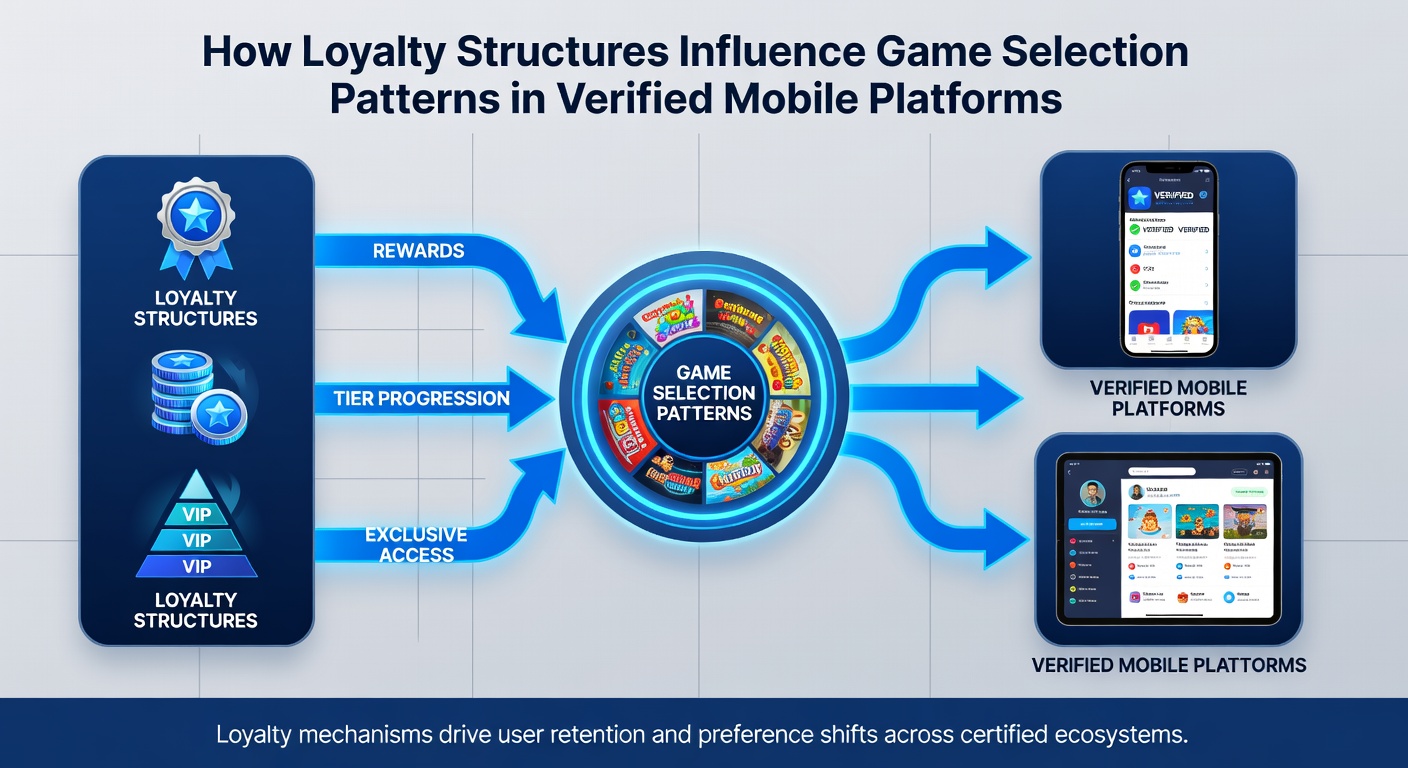
These shifts occur because the platforms display recommended games based on current point multipliers, and users respond by sticking with familiar titles that deliver both entertainment and status advancement. Canadian regulatory summaries from the same period confirm similar trends in provincial apps, where loyalty filters in the menu reduce exploration of unpromoted categories by noticeable margins.
Regional Variations in Selection Influence
European verified platforms emphasize cashback on live games within loyalty structures, which leads to higher retention on blackjack and roulette variants compared to pure slot focus seen in North American markets, yet both regions demonstrate that point expiration deadlines accelerate play on time-sensitive rewards. Australian data from federal gaming studies released around the same May 2026 window highlights how VIP ladders tied to deposit streaks favor progressive jackpot slots because accumulated points convert into larger entry tickets. The pattern repeats across platforms: loyalty design prioritizes games with built-in progression systems that keep users returning before points reset.
Game developers respond by embedding loyalty hooks directly into titles, such as extra wild symbols during bonus rounds that also grant platform points, and this integration further narrows selection to those partnered games. Players who experiment outside the rewarded pool quickly notice slower advancement, which reinforces the cycle toward loyalty-optimized content.
Future Implications for Platform Design
As verified mobile platforms refine algorithms in response to 2026 performance metrics, loyalty structures will likely incorporate more personalized game suggestions based on historical point earnings, and this personalization could deepen the existing selection biases toward high-engagement categories. Regulatory bodies in multiple jurisdictions continue to monitor whether these mechanics cross into inducement territory, although current rules focus mainly on transparency of point values rather than restricting game promotion. The result remains a market where verified platforms use loyalty as the primary lever for guiding traffic without altering core game mathematics.
Conclusion
Loyalty structures on verified mobile platforms create measurable shifts in game selection by aligning rewards with specific titles and play styles, and evidence from 2026 data confirms these programs sustain engagement through tiered benefits and targeted bonuses. The patterns hold across markets because point systems reward frequency and volume on chosen games, while unlinked options receive less visibility and slower progress. Platforms continue adjusting these frameworks to balance player retention with compliance requirements, yet the core influence on selection remains tied directly to how rewards are structured and displayed.