How Encryption Standards Shape Sequential Reward Activation Sequences in Location-Aware Gaming Applications
Written by Dana Vogel · Jul 9, 2026
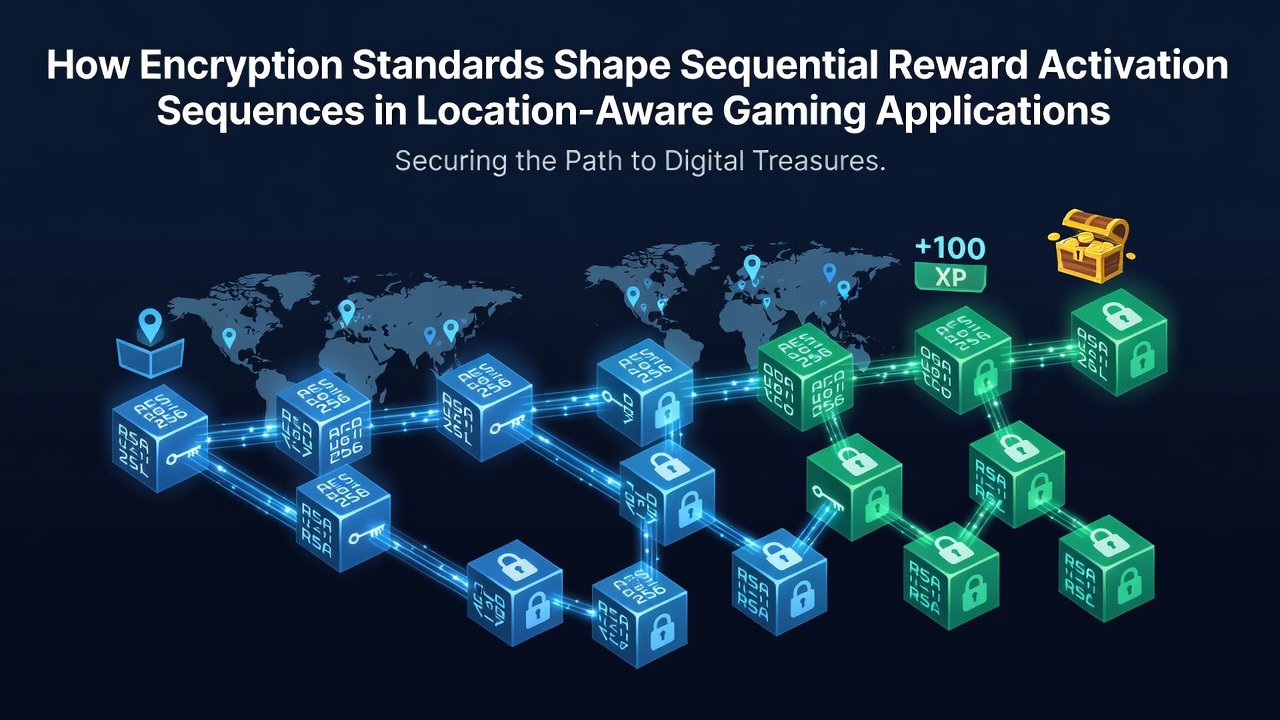
How Encryption Standards Shape Sequential Reward Activation Sequences in Location-Aware Gaming Applications
Location-aware gaming applications rely on precise geographic positioning to trigger rewards in specific sequences, and encryption standards play a central role in protecting the data pipelines that manage these activations, while developers integrate protocols such as AES-256 and TLS 1.3 to maintain integrity across mobile networks and device sensors.
Core Mechanics of Location-Based Reward Systems
These applications process GPS coordinates, timestamps, and user movement patterns to unlock rewards step by step, and encryption ensures that location data cannot be intercepted or altered during transmission from device to server, which in turn preserves the intended order of activations such as first visiting a virtual checkpoint then claiming a follow-up item. Researchers at institutions tracking mobile gaming trends have documented how unencrypted location streams allow spoofing that disrupts sequence logic, whereas encrypted channels enforce verification at each stage.
Encryption Protocols and Data Integrity
Standards developed by bodies including the National Institute of Standards and Technology define requirements for encrypting sensitive location packets before they reach reward servers, and these rules mandate end-to-end protection that combines symmetric encryption for payload speed with asymmetric methods for key exchange, so sequential triggers remain synchronized even when players move between cell towers or Wi-Fi zones. In July 2026 several platform updates incorporated newer key rotation intervals drawn from updated NIST guidelines, which reduced latency in reward handoffs without compromising security layers.
Sequential Activation Safeguards
Sequential reward systems depend on chained cryptographic hashes that link one activation event to the next, and encryption standards supply the algorithms that generate these hashes from verified location data, preventing players or third parties from skipping steps or replaying old triggers. Observers note that when TLS handshakes authenticate both device and server at the outset of each session, the resulting secure tunnel carries location updates that servers cross-check against expected geographic progressions before releasing the next reward in line.
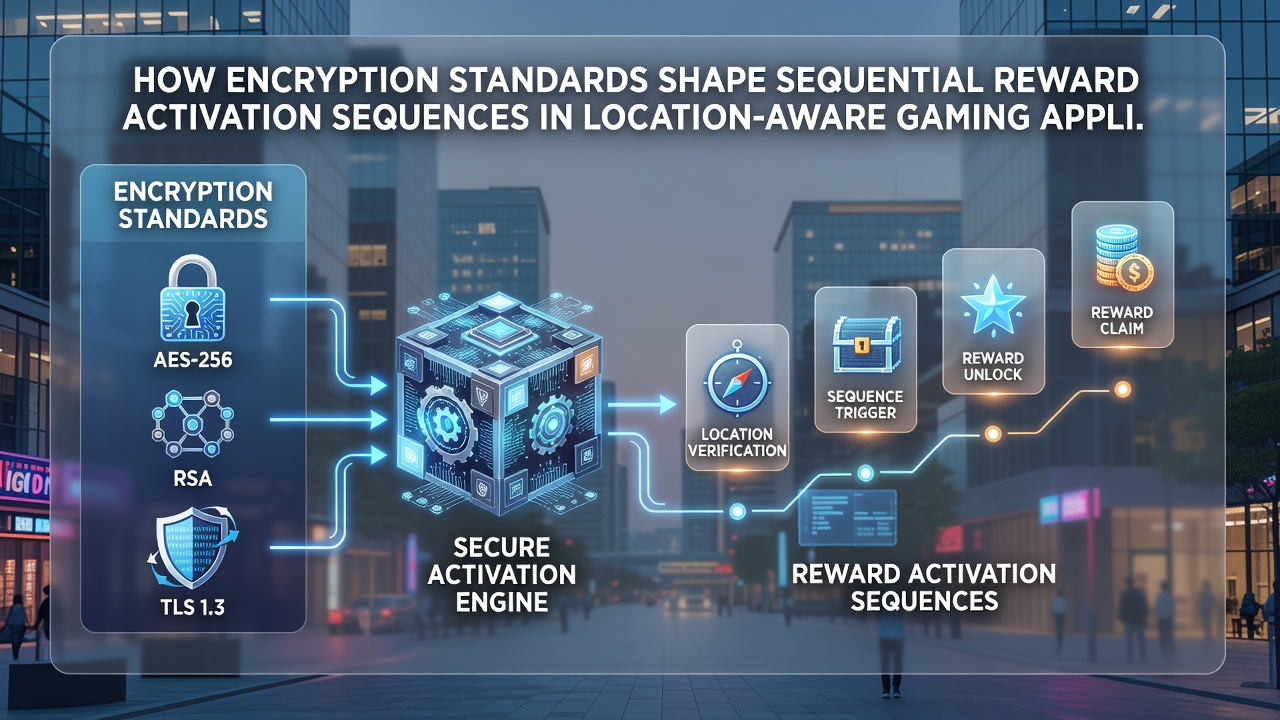
Application developers embed hardware-backed keystores on modern smartphones to store encryption keys, and this practice aligns with recommendations from the Australian Cyber Security Centre that emphasize protecting location-derived tokens against extraction attempts during transit, which keeps reward sequences stable across international borders where data regulations differ.
Performance Considerations in Real-Time Gaming
Encryption overhead must stay low enough to support real-time location polling every few seconds, and standards bodies have published benchmarks showing that optimized AES implementations on current mobile processors handle thousands of encrypted location packets per minute while still allowing servers to validate the order of reward triggers without noticeable delay. Those who have examined telemetry from large-scale deployments report that certificate pinning combined with forward secrecy reduces risks of man-in-the-middle interference that could otherwise reorder or block sequential activations.
Regulatory and Technical Intersections
Gaming platforms operating across regions must satisfy both encryption mandates and data localization rules, and compliance frameworks in the European Union and Canada require that location data used for reward logic receives protection equivalent to financial information, which has led developers to adopt unified encryption stacks that satisfy multiple jurisdictions at once. Industry reports from the Entertainment Software Association indicate rising adoption of post-quantum cryptography hybrids in preparation for future threats, yet current standards continue to govern the majority of sequential reward flows in production applications.
Conclusion
Encryption standards therefore determine the reliability and order of reward activations in location-aware games by securing the underlying data paths, verifying geographic progression, and maintaining session integrity, and ongoing refinements from standards organizations continue to shape how these systems evolve without altering the fundamental dependence on protected location sequences.