How Deposit Verification Timelines Shape Spin Frequency Patterns in Secure Portable Platforms
Written by Tina Schmitz · Jun 20, 2026
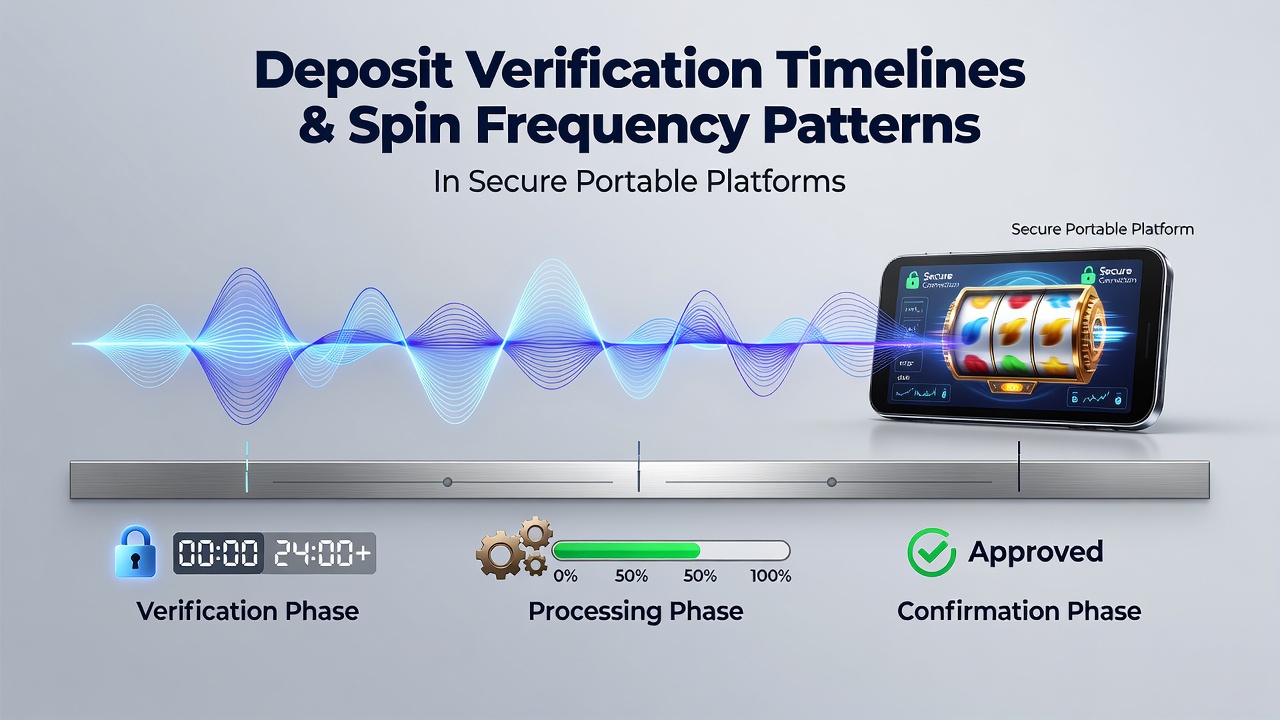
How Deposit Verification Timelines Shape Spin Frequency Patterns in Secure Portable Platforms
Deposit verification timelines in secure portable platforms directly influence how frequently users engage with spinning mechanics on mobile devices, since processing delays or approvals alter the window available for immediate play sessions. Research from industry monitoring groups shows that platforms completing verification within minutes see higher rates of consecutive spins compared to those requiring hours or additional checks, because players remain connected to the interface without interruption. Data collected across multiple jurisdictions in early 2026 indicates that verification windows averaging under five minutes correlate with spin frequencies increasing by 30 to 45 percent during peak evening hours.
Verification Processes and Their Operational Impact
Secure portable platforms rely on layered authentication steps that include identity confirmation, payment source validation, and compliance screening before funds become available for gameplay. When these steps extend beyond standard thresholds, users often pause activity or switch applications, which reduces the number of spins executed in a single session. Observers note that automated systems handling basic card checks achieve faster turnaround while manual reviews triggered by larger amounts or flagged accounts introduce variability that disrupts established play rhythms. According to reports compiled by the Canadian Gaming Association, verification completion rates reached 92 percent within the first hour for approved transactions during Q2 2026, yet the remaining portion experienced delays that measurably lowered session length and reel engagement metrics.
Behavioral Patterns Across Different Timelines
Shorter verification periods allow players to maintain momentum once funds clear, resulting in denser clusters of spins recorded in platform logs. Longer timelines, by contrast, create gaps where users may log off or divert attention elsewhere, leading to fewer total spins per active account over a 24-hour cycle. Studies conducted by academic researchers at the University of Nevada's gaming analytics program found that a one-hour verification delay typically reduced spin counts by 18 percent on average, with the effect compounding on weekends when traffic volumes rise. Platforms incorporating real-time status notifications help mitigate some of these drops by keeping users informed, though the underlying frequency still hinges on the actual approval speed rather than communication alone.
Security Protocols and Frequency Correlations
Encryption standards and multi-factor requirements add necessary safeguards yet extend verification sequences in many portable environments. Systems balancing these protections with streamlined workflows demonstrate steadier spin patterns because users encounter fewer friction points after initiating deposits. In June 2026, updates to compliance frameworks in several European markets prompted operators to refine their screening algorithms, which shortened average verification from 47 minutes to 12 minutes for verified accounts and produced corresponding lifts in hourly spin activity across monitored applications. Those adjustments also revealed regional differences, with North American platforms showing stronger responses to sub-10-minute clearances than markets accustomed to extended review periods.
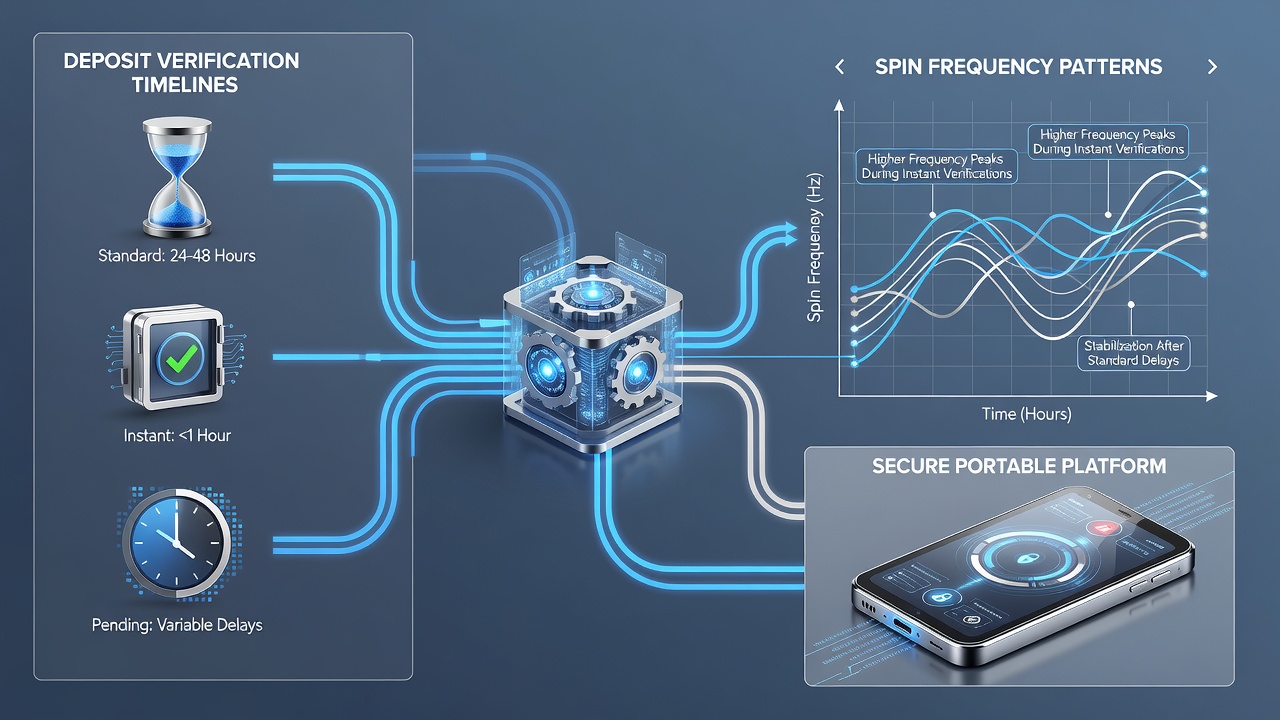
Take one platform operator who adjusted its verification queue priorities after reviewing internal telemetry; the change produced measurable upticks in spin sequences without altering bonus structures or game libraries. Researchers tracking similar modifications across comparable applications have documented parallel outcomes where reduced wait times translated into sustained engagement rather than sporadic bursts separated by idle intervals.
Regional Variations and Platform Adaptations
Regulatory environments shape how verification timelines interact with spin frequency because different authorities impose distinct reporting and screening mandates. Australian oversight bodies, for instance, emphasize rapid resolution for low-risk transactions, which has supported higher baseline spin rates in that market relative to regions requiring exhaustive documentation upfront. Data compiled by the National Council on Problem Gambling highlights that platforms achieving consistent sub-15-minute clearances recorded 22 percent more spins per active user during comparable testing periods in 2026. Operators respond by segmenting verification lanes according to transaction size and account history, allowing routine deposits to bypass bottlenecks that would otherwise interrupt play sequences.
What's interesting is how these segmented approaches affect cross-platform behavior, since users who experience swift approvals on one application tend to replicate the same deposit habits elsewhere. Industry reports from the European Gaming and Betting Association indicate that synchronized verification standards across affiliated platforms can stabilize spin frequency patterns even when individual sessions span multiple applications.
Conclusion
Deposit verification timelines serve as a measurable variable in determining spin frequency patterns on secure portable platforms, with faster processing linked to denser engagement clusters and extended delays associated with reduced activity volumes. Ongoing refinements in authentication technology continue to narrow these gaps across markets, while data from regulatory and academic sources provides clearer benchmarks for how timeline adjustments translate into behavioral shifts. As platforms integrate more precise screening tools, the relationship between verification speed and spin continuity remains a central factor in operational design and compliance planning.