Encryption Sequences Steering Reward Tier Activations Across App-Based Reel and Table Combinations in Regulated Markets
Written by Dana Vogel · Jul 11, 2026
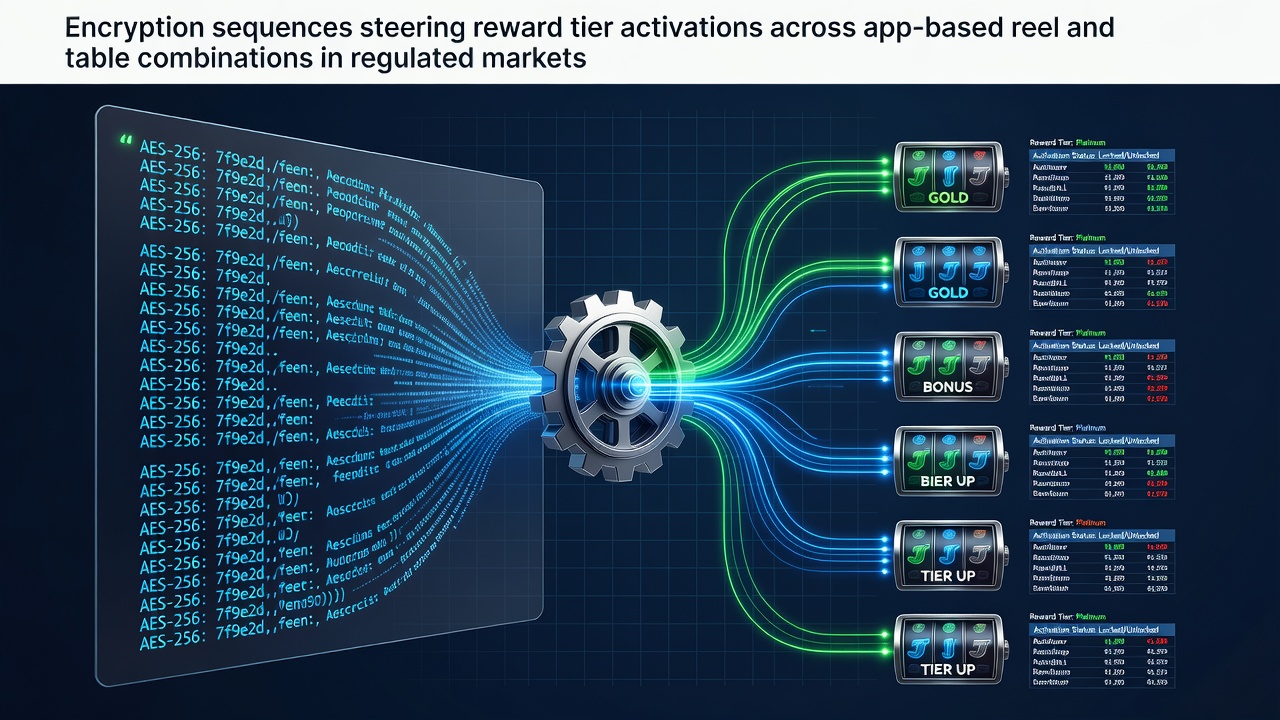
Encryption Sequences Steering Reward Tier Activations Across App-Based Reel and Table Combinations in Regulated Markets
Encryption sequences form the backbone of reward tier activations in app-based reel and table combinations that operate within regulated markets, where cryptographic protocols determine eligibility for bonuses, multipliers, and loyalty escalations while maintaining compliance standards across jurisdictions. These sequences rely on layered hashing and key exchange methods that process player inputs from slot reels alongside live table decisions, routing the data through secure channels before any tier upgrade triggers. In practice, the process begins when an app session initiates a reel spin or table hand, at which point the encryption layer generates a unique sequence identifier that validates the outcome against predefined reward matrices.
Core Mechanics of Sequence-Driven Reward Systems
Regulated platforms integrate advanced encryption standards such as AES-256 combined with elliptic curve cryptography to create tamper-resistant pathways that link game results directly to tier progression, ensuring that reward activations occur only after sequence verification completes successfully. Observers note that this approach allows simultaneous handling of reel-based random number generators and table game outcome logs without exposing sensitive player data during transmission. Data from multiple markets shows that sequence integrity checks happen in milliseconds, enabling real-time tier updates that appear seamless to users while satisfying audit requirements from oversight bodies.
Take the case of hybrid apps serving both reel and table formats where encryption sequences must differentiate between high-volatility slot outcomes and strategic table decisions; each category feeds into separate but interconnected reward tiers that escalate based on verified sequence matches. Researchers at institutions studying digital gaming infrastructure have documented how these sequences incorporate timestamped nonces and session-specific salts to prevent replay attacks that could otherwise manipulate tier activations across borders.
Regional Regulatory Frameworks and Implementation Patterns
Markets in North America and parts of Europe enforce strict rules that tie encryption sequence design to licensing conditions, with authorities requiring independent testing of the cryptographic modules before deployment. According to reports from the New Jersey Division of Gaming Enforcement, platforms must demonstrate that reward tier logic remains isolated from direct game engine access, a separation achieved through sequence-based gateways that activate only after multi-factor validation. Similar standards appear in Canadian provincial frameworks, where regulators examine how sequences steer progressive rewards in mobile environments without compromising fairness algorithms.
What's interesting is the way these protocols adapt to cross-platform play, allowing a single user account to accumulate tier points from reel sessions on one device and table play on another while the encryption sequence maintains continuity. Figures from industry analyses indicate that such continuity reduces latency in reward distribution by up to 40 percent compared with legacy non-encrypted systems, particularly in jurisdictions that updated compliance rules ahead of the 2026 cycle.
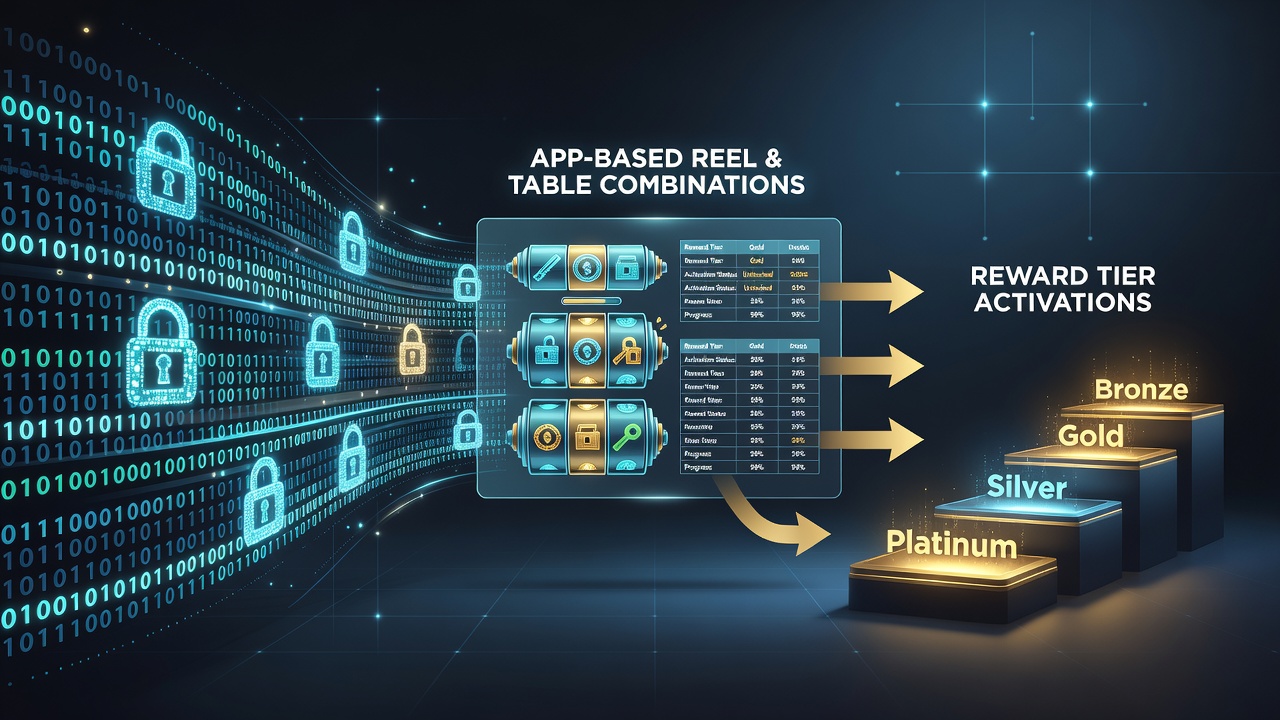
Technical Integration Across Reel and Table Environments
Reel combinations typically employ pseudorandom sequence generators wrapped in encryption layers that feed outcome hashes into tier calculation engines, whereas table combinations require additional layers to handle live dealer feeds and player decision trees. Experts have observed that both formats converge at the reward activation stage, where a unified sequence validator confirms eligibility before releasing benefits such as free spin bundles or table rake rebates. This convergence point becomes critical in July 2026 as several regulated markets roll out updated technical standards that mandate enhanced sequence entropy levels for all hybrid gaming applications.
Platforms operating under these frameworks often deploy sequence rotation schedules that refresh cryptographic keys at fixed intervals, preventing long-term pattern analysis that could expose tier logic. Evidence from testing laboratories shows that such rotations maintain performance metrics even as player volumes increase during peak periods, keeping reward activations consistent across reel and table combinations alike.
Security Audits and Compliance Verification
Independent auditors examine encryption sequence logs as part of routine compliance checks, focusing on whether reward tier triggers align precisely with game outcomes recorded in immutable ledgers. Those who've studied this process know that discrepancies trigger automatic session flags that halt further tier progression until resolution, a safeguard that has become standard in markets emphasizing player protection alongside commercial operations. Academic papers from research centers examining gaming technology highlight the role of zero-knowledge proofs in verifying sequence validity without revealing underlying game data, an approach gaining traction ahead of mid-2026 regulatory reviews.
One study revealed that jurisdictions incorporating these proofs experienced fewer reported anomalies in reward distribution systems during the preceding fiscal year, underscoring the practical value of sequence-level encryption in maintaining operational trust. And because the sequences operate independently of direct user interfaces, developers retain flexibility to update reel or table mechanics without revalidating entire reward structures.
Future Developments in Regulated Environments
Regulatory bodies across different regions continue to refine requirements around encryption sequences, with particular attention to interoperability between reel and table modules in portable applications. Data indicates that ongoing pilot programs in select markets test enhanced sequence protocols designed to support more granular tier activations, including dynamic multipliers that respond to verified play patterns. These pilots, scheduled for expanded evaluation through the remainder of 2026, focus on balancing security overhead against user experience metrics.
Conclusion
Encryption sequences serve as the decisive mechanism steering reward tier activations in app-based reel and table combinations operating inside regulated markets, connecting game logic to compliance frameworks through cryptographic verification. As platforms evolve to meet updated standards, the integration of these sequences ensures that reward systems remain secure, auditable, and responsive across diverse gaming formats. The patterns observed in current deployments point toward continued refinement of sequence protocols that support both operational efficiency and regulatory alignment in the months ahead.