Digital Wallet Pathways Unlocking Sequential Reward Triggers Across Portable Table and Reel Platforms
Written by Tina Schmitz · Jun 25, 2026
Digital Wallet Pathways Unlocking Sequential Reward Triggers Across Portable Table and Reel Platforms
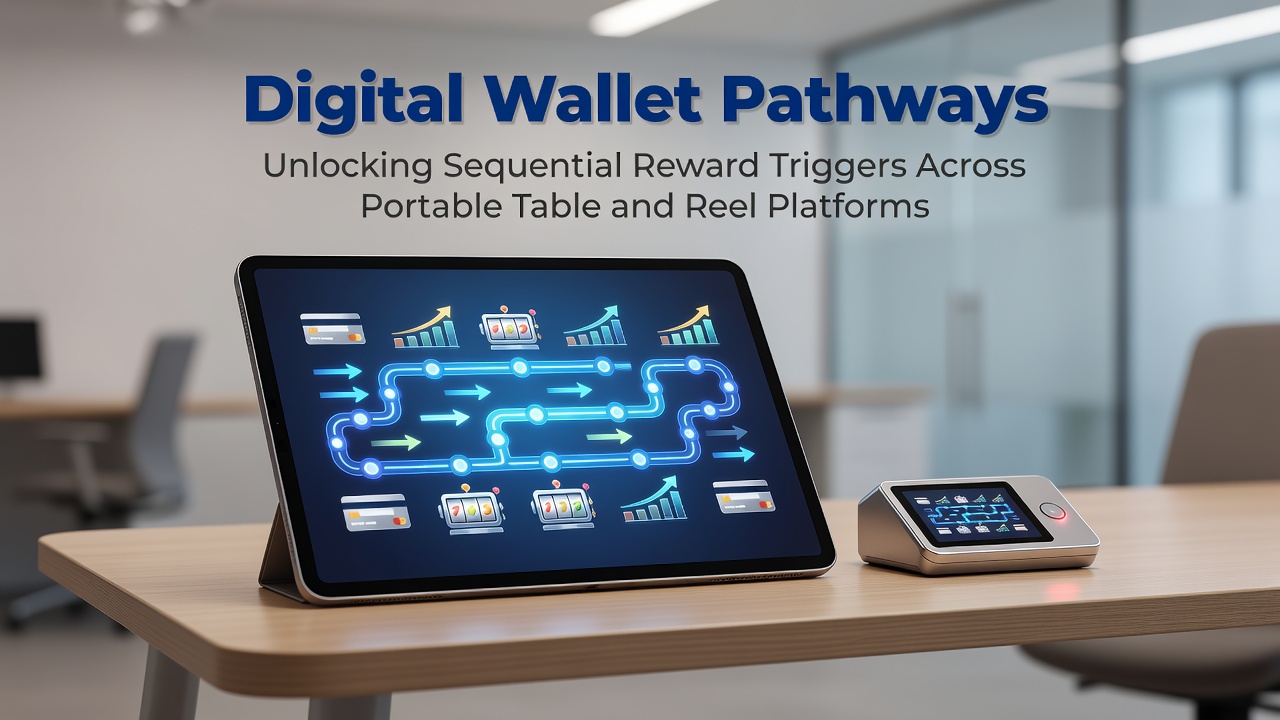
Observers note that digital wallet integrations have expanded rapidly in portable gaming environments by June 2026, creating direct pathways between transaction processing and layered incentive structures on both live table interfaces and reel-based applications. These systems operate through encrypted connections that sequence rewards based on deposit frequency, wager volume, and platform-specific activity metrics, allowing users to progress through bonus tiers without separate authentication steps for each game category. Data from industry reports indicates that mobile platforms utilizing wallet-based triggers show increased session continuity across table and reel formats. Sequential mechanisms activate when cumulative transaction thresholds are met, unlocking multipliers or free round access that apply uniformly whether players engage in live dealer blackjack sessions or automated slot sequences. Regulatory filings in multiple jurisdictions document how these pathways reduce friction in reward distribution while maintaining compliance standards for transaction verification.Transaction Sequencing Mechanics in Mobile Environments
Wallet applications establish sequential reward chains by linking each deposit or withdrawal event to a central tracking ledger within the gaming platform. Once a user initiates a transfer through supported digital channels, the system registers the action against predefined criteria such as minimum transfer amounts and time intervals between activities. This registration process triggers the first tier of incentives, which then escalates based on subsequent actions recorded in the same session or across multiple days.
Portable table platforms benefit from these sequences when live dealer interactions require real-time balance updates, while reel platforms apply similar triggers during automated spin cycles. The shared architecture means a single wallet pathway can influence reward availability in both environments simultaneously, creating cross-format progression that researchers at institutions studying digital payment adoption have tracked through anonymized usage patterns.
Integration Patterns Across Table and Reel Formats
Platform developers implement wallet triggers differently depending on whether the experience centers on interactive table play or algorithmic reel outcomes. Table interfaces often tie sequential rewards to bet sizing during dealer rounds, whereas reel systems connect them to spin counts or symbol combinations following a qualifying deposit. Both approaches rely on the same underlying wallet API to validate and release incentives without requiring users to switch between separate account dashboards.
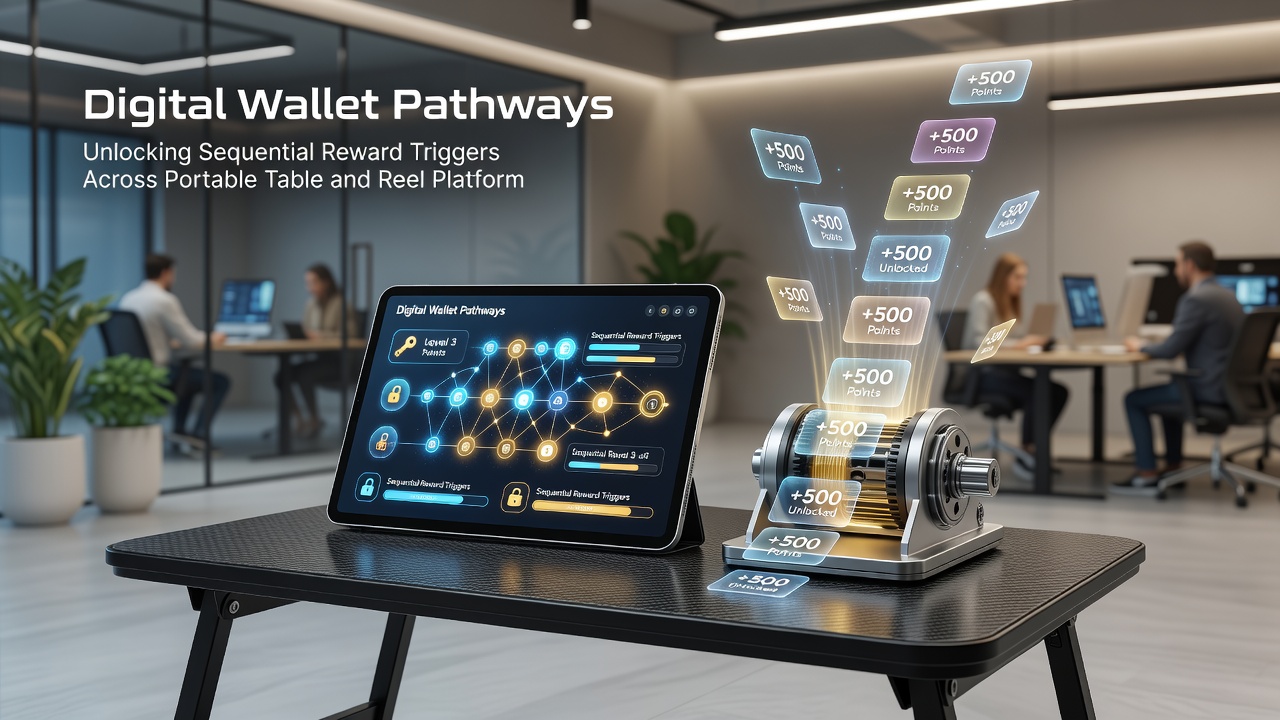
Figures from payment technology providers reveal that cross-platform consistency in reward sequencing has grown as operators standardize wallet protocols. Users who begin on reel platforms frequently transition to table environments while retaining active trigger status, and the reverse pattern holds when session data indicates sustained engagement levels. This fluidity stems from unified ledger systems that treat table wagers and reel spins as equivalent inputs for reward calculation purposes.
Security Frameworks Supporting Reward Pathways
Encryption standards embedded in digital wallet connections protect the sequential data flows that determine reward eligibility. Each transaction passes through multi-factor verification before the system advances the reward chain, preventing unauthorized progression across either table or reel modules. Observers tracking mobile gaming compliance note that these safeguards align with requirements from bodies such as the Alcohol and Gaming Commission of Ontario, which oversees operator adherence to transaction integrity rules.
Wallet providers maintain audit trails that record every step in the reward sequence, enabling platforms to demonstrate how incentives were allocated based on verified activity. This documentation proves essential when operators report performance metrics to regional authorities or when users request summaries of their progression history. The process operates continuously, updating in real time as players move between portable table sessions and reel-based gameplay.
Regional Adoption Trends Through Mid-2026
Markets in North America and Asia-Pacific regions have incorporated wallet-triggered sequences at varying rates, with operators citing improved user retention metrics tied to seamless incentive delivery. Australian regulatory summaries highlight how digital wallet adoption correlates with expanded access to layered rewards on mobile devices, particularly when platforms support both table dealer streams and reel automation in a single application environment.
Research institutions examining payment technology in gaming contexts have documented similar patterns in European and Canadian jurisdictions, where standardized wallet interfaces facilitate sequential triggers without region-specific modifications. These studies emphasize the role of interoperability between wallet services and gaming servers in sustaining consistent reward pathways across diverse device types and operating systems.
Future Trajectory of Wallet-Enabled Reward Systems
Technical updates scheduled for later in 2026 focus on expanding the number of sequential stages available through single wallet connections. Developers are testing additional variables such as time-of-day multipliers and cross-game accumulation that would apply equally to table and reel platforms. Current implementations already demonstrate that wallet pathways can sustain extended reward chains, and ongoing refinements aim to increase the granularity of triggers while preserving data security protocols.
Conclusion
Digital wallet pathways continue to shape how sequential reward triggers function across portable table and reel platforms by linking transaction events directly to incentive progression. The architecture supports consistent activation whether users engage live dealer formats or reel sequences, with security measures and regional oversight ensuring operational reliability. As integration standards evolve through 2026, these systems maintain their role in connecting payment activity with structured reward delivery on mobile gaming applications.