Certified Transaction Routes and Their Oversight of Progressive Multiplier Systems in App-Based Casino Play
Written by Jakob Schmitt · Aug 20, 2026
Certified Transaction Routes and Their Oversight of Progressive Multiplier Systems in App-Based Casino Play
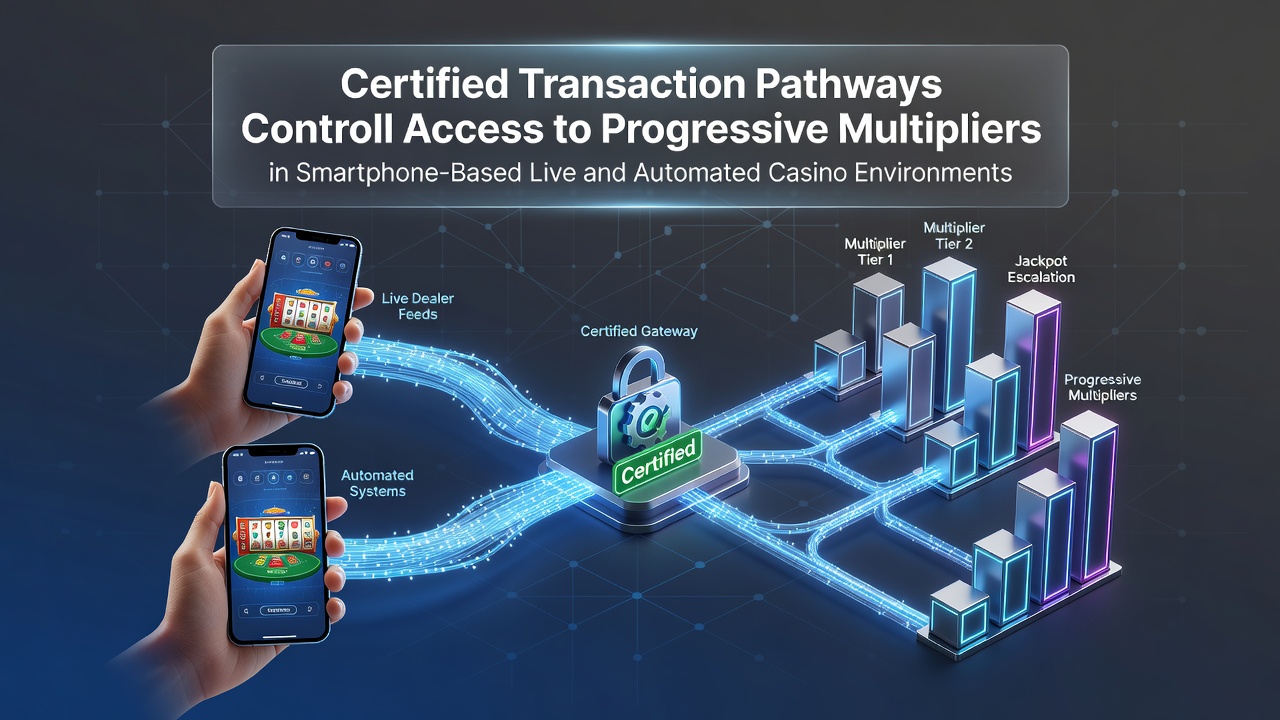
Transaction certification mechanisms operate as gatekeepers in smartphone-based casino environments where live dealer tables and automated reel systems run side by side, and these pathways determine whether players gain entry to progressive multiplier features that scale rewards based on verified activity levels. Regulatory frameworks require operators to route all deposits and wagers through encrypted channels that carry specific compliance markers before any multiplier progression activates, while data from industry reports shows that platforms adhering to these standards record fewer instances of unauthorized access attempts during peak hours in August 2026.
Payment service providers integrate with mobile applications through APIs that validate transaction authenticity in real time, and once a transfer clears the certification checks it unlocks the next tier of multiplier access for both automated slots and live table sessions. Observers note that this layered approach prevents premature activation of progressive elements until identity verification and fund sourcing align with jurisdictional rules across multiple regions.
Core Components of Certified Pathways
Each certified route combines tokenization, digital signatures, and audit logs that travel with every transaction, and these elements feed directly into backend systems responsible for tracking multiplier eligibility. Researchers at academic institutions have documented how the process begins at the deposit stage where the pathway assigns a compliance score, and only scores meeting predefined thresholds permit progression into higher multiplier brackets during live dealer interactions or automated game sequences.
Live casino environments demand additional scrutiny because real-time betting occurs alongside automated features, yet the same transaction certification applies uniformly so that progressive multipliers remain synchronized across both formats. Figures from regulatory filings reveal that platforms using unified pathways experience smoother multiplier rollouts without the fragmentation that occurs when separate verification streams handle live versus automated play.
Integration With Live and Automated Features
Automated reel games rely on transaction pathways to accumulate progressive multipliers through consistent wager tracking, whereas live dealer tables incorporate the same certified routes to adjust multiplier access based on table-specific betting patterns. The pathways maintain continuity even when players switch between formats within a single session, and this continuity ensures that multiplier progress carries forward without resetting unless a compliance flag interrupts the sequence.

Operators configure these controls so that progressive multipliers tied to high-stakes live tables require an elevated certification level compared with standard automated sessions, and data indicates this tiered structure reduces risk exposure while maintaining player engagement across August 2026 reporting periods. Those who monitor platform performance note that seamless integration between certified pathways and game mechanics supports higher retention rates in verified mobile environments.
Regulatory Influences on Pathway Design
Gaming control authorities in various jurisdictions mandate that transaction pathways undergo periodic audits to confirm they continue gating multiplier access appropriately, and these requirements have prompted operators to adopt modular certification frameworks that adapt to new rules without disrupting ongoing sessions. Industry associations such as the International Association of Gaming Regulators publish guidelines that influence how pathways incorporate regional variations while preserving core multiplier control functions.
Academic studies from North American universities have examined the correlation between pathway certification strength and the frequency of multiplier unlocks, and results point to measurable differences in compliance outcomes when pathways include multi-factor authentication steps. Platforms operating under these standards demonstrate consistent adherence during both live dealer events and automated play cycles throughout the current reporting cycle.
Technical Implementation Across Devices
Smartphone applications embed pathway verification modules that communicate with central servers before any multiplier progression occurs, and this architecture supports rapid verification even on variable network connections common in mobile environments. Developers test these modules against simulated transaction loads to ensure multiplier access remains restricted until full certification completes, while operators report that such testing has minimized service interruptions during high-volume periods in August 2026.
Cross-border platforms face additional complexity because transaction pathways must satisfy multiple certification regimes simultaneously, yet unified systems now route data through regional compliance nodes that feed a central multiplier eligibility engine. This setup allows progressive features to activate consistently whether users engage with live tables or automated reels on devices located in different regulatory zones.
Conclusion
Certified transaction pathways continue to serve as the primary control layer for progressive multiplier access in smartphone-based live and automated casino environments, and ongoing regulatory updates ensure these mechanisms evolve alongside emerging security standards. Data from multiple sources confirms that platforms maintaining rigorous pathway certification achieve stable multiplier distribution while meeting compliance obligations across diverse jurisdictions.